
Researchers at Stanford University reviewed the evidence that links industrial lifestyle to changes in the microbiota and propose approaches to preserve health.

Early-life exposure to defined microbial communities triggers the development of specific immune cells and influences the abundance of these cells in the skin.

Our gut microbiota might affect how well and for how long we sleep, according to a new study. The findings may lead to new ways to improve sleep.
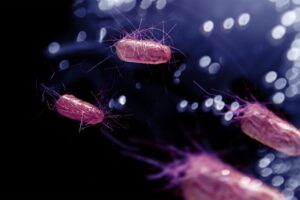
A low-fiber, high-fat diet promotes Salmonella gut colonization by increasing the level of bile salts, according to a recent study.
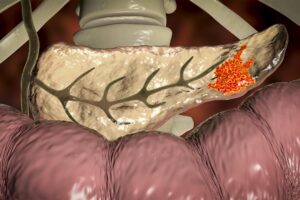
Certain fungi move from the gut to the pancreas, where they can trigger pancreatic cancer growth, according to a new study published in Nature.

The type of dietary flavonoids we consume could influence the gut microbiota, according to a new study published in mBio.
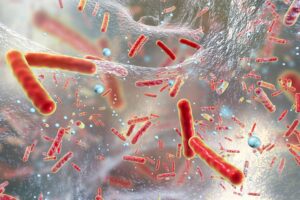
Researchers have found an antimicrobial molecule produced by the gut microbiota that can fight multidrug-resistant bacteria.
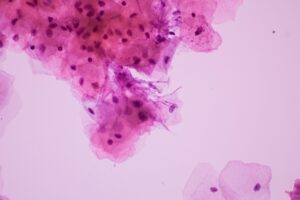
Transplanting vaginal fluids from one woman to another could restore the bacterial microbiota and help treat severe cases of a common vaginal inflammation.

A study published in Science shows that the gut microbiota influences daily rhythms through a mechanism by which gut microbes control host metabolism.

Diet could be an important determinant of antibiotic-induced disruption of the gut microbiota, a study published in Cell Metabolism claims.