IL-17 molecules from the gut can influence autoimmune diseases in the central nervous system by regulating the gut microbiota.

Dietary fiber can influence the production of several microbial metabolites that may modify the human gut microbiome and, more in general, health.
Different gut metabolites can influence the Cryptosporidium parasite’s growth and invasion of intestinal cells. A new study published in mBio claims.

The interaction between newborns’ epithelia and the microbiota is crucial to the balance of the oral mucosa and it can have long-term health consequences.

TCGA allows to explore the role of tissue-resident microbiota in various cancer types and identifying predictive microbial biomarkers.
Immune responses to the gut microbiota can be used as biomarkers of clinical course in IBD or as targets for the treatment or prevention of the condition.
Decreased microbial diversity and increased abundance of Firmicutes phylum in the respiratory tract may be associated with an increased risk of lung cancer.

The findings suggest that delivery mode, rather than birth canal exposure, has a strong influence on the composition of the infant microbiota.
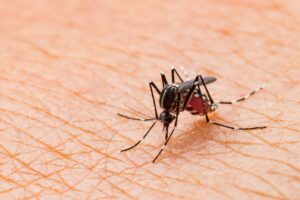
Modulating the gut microbiota could help to increase Plasmodium-specific immunity, thus reducing disease severity and malaria-associated mortality.
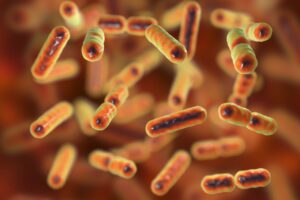
Researches have found that MDD is characterized by disturbances in the gut microbiota and may allow clinicians to better diagnose it.
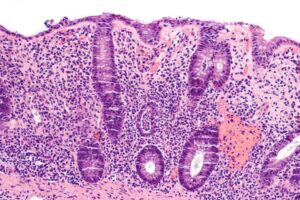
A two-pronged treatment strategy — consisting of an engineered peptide and an FDA-approved drug — could help to reduce gut inflammation.
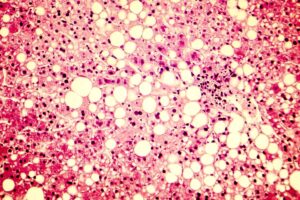
The current knowledge of the gut-liver axis in NAFLD may lead to the development of microbiota-based personalized approaches for managing the condition.
A study published in Nature suggests new approaches to improve BMTs as well as treatments for immune-mediated diseases by regulating the gut microbiota.
People with active multiple sclerosis have high levels of particular gut antibodies, called immunoglobulin A (IgA), in the central nervous systems.
Some C. acnes strains harbored genes that encoded a molecule similar in structure to a known antibiotic called berninamycin.
Researches suggest that Lachnospiraceae and Enterococcaceae, as well as bacterial metabolites such as propionate can contribute to radioprotection.
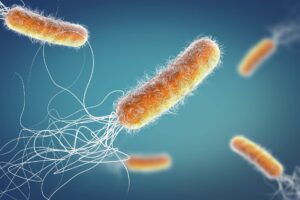
Changes in one of the P. aeruginosa’s environmental sensing systems allow it to adapt to the environment of the lungs, causing chronic infections.

Individuals with autism are unable to break down some environmental toxins, which could allow the toxins to enter the bloodstream and injure brain cells.

The intestinal microbiota of people who follow a diet rich in vegetables produce metabolites that have potentially positive effects on health.

The modulation of the gut microbiota could play an important role in protecting children from asthma in the first year of life.