A recent study poses the basis for the use of microbiome profile in AF risk prediction.
The findings of a recent study suggest that combining Lactobacillus probiotics with nanozymes can help treat Candida vaginitis and help the growth of beneficial vaginal microbes.

Gwenael Jan (STLO - INRAE, France) talks about the growing interest and knowledge of Propionibacteria, a peculiar actinobacteria that has the potential to become a next generation probiotic.

Amine Zorgani (Microbiome Mavericks) talks about the importance of the skin microbiome in maintaining skin health and the need for continued research in this field.
The findings of a recent study suggest that the gut microbiota contributes to improve metabolic health after gastric bypass surgery.

Depressed BD patients present significant alterations in the taxonomic compositions of their gut microbiota, and this may be related to inflammatory pathways and depression severity.

Elisabetta Caselli, University of Ferrara (Italy), talks about a new and innovative use of probiotics to modulate the "hospital microbiome” in order to reduce the use of chemical disinfectants.

George Paraskevakos, Executive Director at International Probiotics Association, talks about probiotic and live biotherapeutic products market evolution and perspective.

The findings of a recent study suggest that a mild gastrointestinal infection can alter gut commensal populations in ways that boost the commensal’s ability to proliferate during an infection.
The findings of a recent study imply that Fusobacterium nucleatum may play a causal role in worsening RA, offering potential therapeutic targets for effectively alleviating RA symptoms.

The highlights of the Postbiotics Discussion Panel that took place in Bratislava during IPC 2023.

Philippe Langella, Research Director at the French National Institute of Agricultural Research, discussed the potential of Faecalibacterium Prausnitzii as Live Biotherapeutics for several disease.

The findings of a recent study may help to develop diagnostic or therapeutic approaches to reduce bacterial bloodstream infections in newborns.
Cocaine users have an altered gut and oral microbiota composition and function, which can be rescued by rTMS-induced cocaine abstinence.
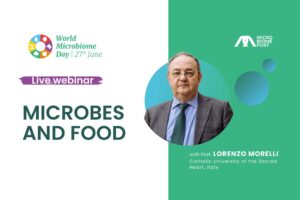
Together with Professor Lorenzo Morelli we focused on the significant role of diet and the microbiome in terms of health benefits, food production, and agri-industry systems.
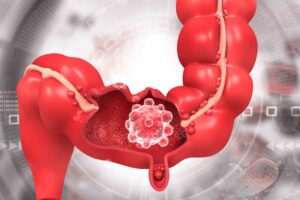
By providing insights into how the gut microbiota influences cancer susceptibility, the findings may help to develop new therapies or dietary interventions.
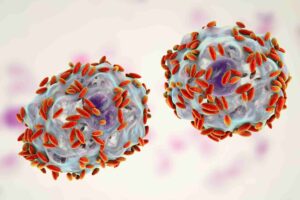
The findings of a recent study suggest that vaginal bacteria can spread to the urinary tract of men and reshape the male urethral microbiota.

Microbiomepost interviewed Lorenzo Drago, from University of Milan, during the ESGE DAYS congress, held recently in Dublin.

The findings of a recent study suggest that lifestyle can influence how bacterial strains are shared between mothers and infants.

The findings of a recent study suggest that changes to the gut microbiotas in space may be associated with a loss of bone density.