
The findings of a new research suggest that a mother’s diet during nursing influences her offspring’s microbiota composition, gut health and predisposition to become obese.

The findings of a new research suggest that the gut microbiota can influence binge-eating of sweet foods.
The findings of a new research suggest that dietary and antibacterial strategies may help to prevent neutropenia-related fever after cancer therapy.
The findings of a new research suggest that obesity-induced changes in the vaginal microbiota can affect the immune responses against viral infection.

The findings of a new research support the link between gut microbes and depression, and suggest that the gut microbiota can be a target for future therapies.
The findings of a japanese research suggest that several viruses are linked to specific populations and diseases.

Researchers have found that a diet low in fermentable carbohydrates can alter the human microbiota in ways that influence the expression of genes involved in inflammation and intestinal integrity.

A recent study confirms that 5-FU exerts part of its anti-cancer effects through inhibiting the growth of F. nucleatum, the commensal associated with colorectal cancer progression.
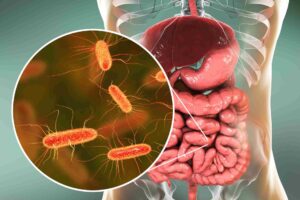
A recent study confirms that ileum and colon have a distinct microbiota: unlike the bacterial composition of the colon, the ileum is subject to frequent fluctuations.

The findings of a new research may help to inform therapies to modulate brain circuits that are involved in substance use disorders.

Microbiota alterations in COVID-19 patients appeared to be associated with secondary infections of the blood by gut bacteria: four cases of positive blood cultures of Staphylococcus species were identified.
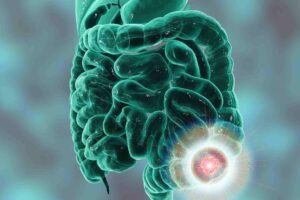
The findings of a recent study suggest that DNA damage-inducing microbial metabolites such as indolimines play a role in the development of colorectal cancer.

The findings of a recent study suggest that a specific strain of Subdoligranulum can drive the production of autoantibodies in rheumatoid arthritis.

Scientists identified a bacterium, Bacteroides xylanisolvens, that reduced gut nicotine concentrations in mice exposed to nicotine as well as the severity of NAFLD.
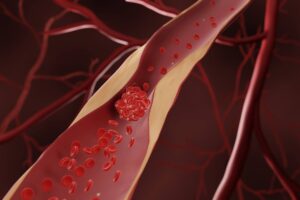
A recent study provides evidence for the beneficial effects of GMD and the gut commensal bacterium P. merdae against obesity-related atherosclerosis.

Periodontitis might be associated with cognitive decline, suggesting a possible etiopathologic role in Alzheimer's disease.

The report of the main topics highlighted at the event on 12 October 2022 related to Probiotics, Prebiotics and the Microbiome.
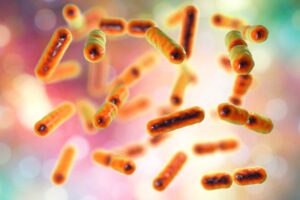
The findings of a new research suggest that, in some people, microbial ethanol can contribute to the development of NAFLD.
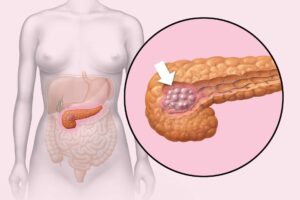
The findings of a new research may help to develop improved diagnostic or treatment approaches for pancreatic cancer.

A supplement of LGG would seem to favour the proliferation of Bifidobacterium and the improvement of clinical and immunological response to childhood cystic fibrosis.