
Microbiomepost discussed with Nicasio Mancini about the role of gut microbiome in immune response and in the antibiotic resistance.
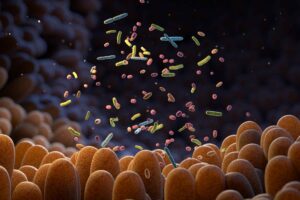
The findings of a recent study suggest that other gut microbes use liquid-liquid phase separation to colonize the gut, opening the way for new microbiota-based clinical applications.

The findings of a recent study suggest that estradiol-degrading bacteria could be therapeutic targets for treating depression in some women.

Microbiomepost discussed with Vanessa Harris during the MicrobiotaMI congress 2023 about viral interaction with gut microbiome.
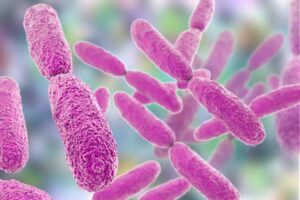
The findings of a recent study suggest that tilimycin-producing bacteria can cause genetic mutations in the colon and increase a person’s susceptibility to disease.

The study reveals a connection between gut microbiome changes and the most prevalent form of alcohol misuse in adolescence, occurring even before the onset of addiction.

Watch the mode of action video to understand how this solution works to positively affect the natural balance between bone formation and bone resorption.

Maria Rescigno, professor at Humanitas University, discusses with MicrobioomePost what emerged at MicrobiotaMI congress 2023.
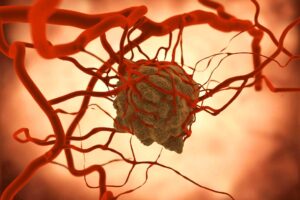
The findings of a new study shed light on a general mechanism by which gut bacteria may influence anti-cancer immune responses.
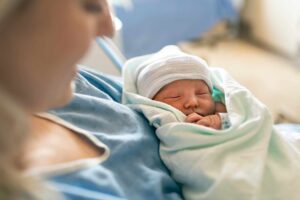
The findings of a new study suggest that mothers transmit bacteria to their infants through multiple routes — a process that ensures that babies receive essential microbes.
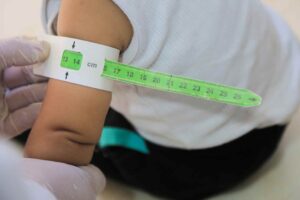
The findings of a new study suggest that providing at-risk populations with NOD2 ligands or probiotic bacteria that release high levels of NOD2-activating molecules may help to treat undernutrition.
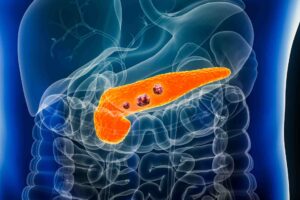
The findings of a new study suggest that the microbial metabolite 3-IAA could help to treat PDAC.

Collaborative initiatives would be needed to detect subtle associations and understand the role of the gut microbiome in the development of psychiatric symptoms over time.
The findings of a new study suggest that periodontal disease may contribute to rheumatoid arthritis by triggering specific immune responses.

Healthcare professionals area, Scientific research
Sponsored by

Download the review that summarize the scientific and clinical work conducted on the probiotic formulation Probi® Osteo.

The findings of a new study suggest that infants acquire their gut virome from their diet and environment rather than from their mothers.

The findings of a new study reveal a microbe-immune axis that is disrupted in pregnant animals, suggesting potential therapeutic approaches for pregnancy-associated sepsis.
Specific gut bacteria and/or metabolites could be responsible for the differential responses to weight management.
The findings of a new study suggest that a newborn’s lung immunity is influenced by the interplay between maternal γδ T cells, the gut microbiota and microbial-derived SCFAs.

The results of the study showed that exposure to metal oxide nanoparticles led to changes in the microbial populations