
Microbiomepost discussed with Lisa Derosa, oncologist at Gustave Roussy Hospital in Paris, about the link between gut dysbiosis and cancer, shedding light on its role in immunotherapy resistance and patient…

The findings of a recent study highlight the potential of the human gut microbiota as a source for new antibiotics.

The findings suggest that while antibiotics can cause changes to the infant microbiota, they are much less significant than the impact of feeding mode.
Video, Gynecology
Sponsored by

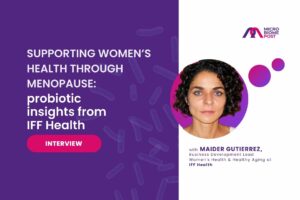
Exploring probiotics for menopause with Maider Gutierrez, Business Development Lead for Women’s Health & Healthy Aging, IFF Health: solutions to support women's health and manage symptoms effectively.

The findings suggest that the microbiota processes environmental carcinogens in ways that lead to cancer.

A deeper understanding of human biology, new dietary and medical interventions, and their effects on the microbiota may lead to more accurate and trustworthy dietary advice.

Microbiomepost conducted an exclusive interview with Svetoslav Todorov, from Sao Paulo University in Brazil, about the benefits of certain lactic acid bacteria.
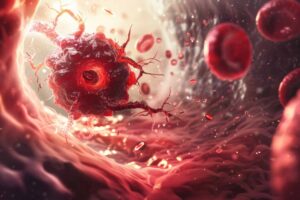
The findings support the idea that the gut microbiota modulates immune responses, suggesting new avenues for cancer treatment.

The findings suggest that the development and maturation of the nasal microbiota are influenced by age and sex, while lifestyle factors shape the throat microbiota.

Microbiomepost conducted an exclusive interview with Mireia Romagosa Vilarnau, Argenta Global, about the registration of microbial products.

The findings show that TDCA inhibits LCA production and suggest that it may contribute to the beneficial effects of bariatric surgery on blood sugar levels.
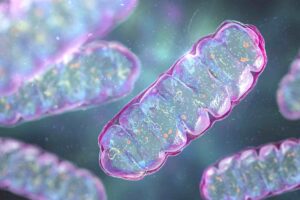
The findings of a recent study may pave the way for new therapeutic strategies that target mitochondrial health to treat inflammatory conditions such as IBD.
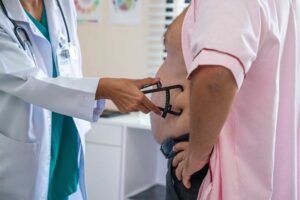
A recent study highlights the role of specific obesogenic microbes suggesting potential interventions through targeted regulation of M. rupellensis and myo-inositol metabolism.

The findings of a recent study highlight the critical role of the gut microbiota in maternal and infant health, especially in the context of GDM.

‘We are trying to understand how Lactobacillus reuteri DSM 17938 is able to cross-feed and cross-talk to other bacteria’ - Gianfranco Grompone, scientific director at BioGaia.

The findings may help to identify new biomarkers for food addiction and assess whether beneficial bacteria could serve as potential new treatments for compulsive eating.

Microbiomepost conducted an exclusive interview with Charlotte Neumann, researcher at Medical University of Graz, about the role of Archaea and obligate anaerobes in the development of the infant oral microbiome.

The findings indicate that MAIT cells act as detectors of gut inflammation by interacting with the microbiota.
The balance of specific microbes in the gut can help predict who will respond to immunotherapy drugs.

Franco Vicariotto, Ospedale S. Pio X, Milan, talks about the results from a clinical trial in post-menopausal women.