
The findings suggest that the microbial communities inhabiting an infant’s nose and throat can play a role in the severity of RSV infections.

The findings suggest that bHB could be a therapeutic alternative to a ketogenic diet. The results also highlight the protective role of the gut microbiota and its metabolites in autoimmune…

Clara Delaroque, from Institut Pasteur (France), emphasizes the critical interplay between early-life microbiota and host health, specifically how the use of common food additives impacts the susceptibility to diseases later…
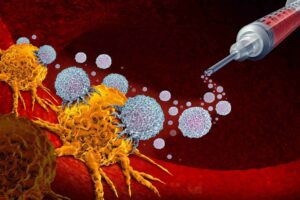
The presence of specific microbes in the gut microbiota can serve as biomarkers for predicting the efficacy of immunotherapy.

By suggesting that the diversity and variety of microbial species play a big role in whether the transplanted microbes can successfully colonize a recipient’s gut, the findings could pave the…

Raphaëlle Bourdet-Sicard from Danone Nutricia Research discusses a study which investigates the use of a mixed prebiotic formulation to enhance iron absorption while mitigating adverse effects on gut microbiota.

Targeting L-kynurenine metabolism could be a therapeutic strategy for managing Crohn’s disease.

The findings suggest that the composition of the gut microbiota in early life is not a key factor in obesity risk.

New research has now uncovered differences in the gut microbiota composition between people with the condition and those without.

Professor Maria Rescigno explores the critical role of the gut microbiota in maintaining intestinal barrier integrity and its implications for health.
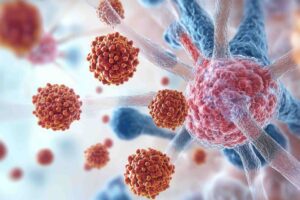
Specific gut microbiota features correlate with better responses to immunotherapy in people with melanoma.

Nathalie Maria Delzenne from Université Catholique de Louvain (Belgium) explains how gut microbiota and systemic inflammation impact cravings and depressive symptoms in affected individuals.

Including microbial load in microbiota studies can help researchers better understand how gut bacteria influence diseases, leading to more accurate diagnoses and effective treatments.

The findings highlight the importance of maintaining a healthy microbiota after EEN and suggest that personalized dietary approaches can help induce remission for children with Crohn’s disease.

Konstantinos Paraskevopoulos (European Food Security Autority, EFSA) underscores the importance of microbiome data in assessing the safety of food and feed products across the agri-food chain.

The findings suggest that gut microbes and LPC are potential therapeutic targets for Alzheimer's disease.
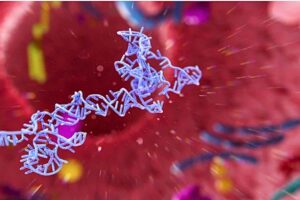
Researchers have identified a new class of virus-like agents known as "obelisks" in oral and stool samples from hundred of people.
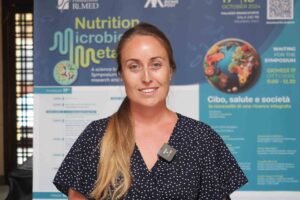
Heather Armstrong, from University of Manitoba and University of Alberta (Canada), explores the intricate role of dietary fibers in maintaining gut health, focusing on the microbiome’s ability to process these…

This article presents “The Cancer Microbiota Database," an interactive and customizable tool to investigate 33 types of cancers.

The findings suggest that 4-hydroxyindole could be a promising biomarker for diagnosing endometriosis.