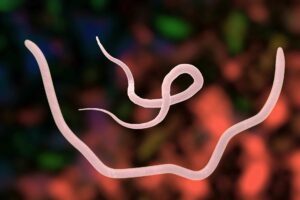
Microbiota-derived molecules such as IPA may offer a way to strengthen early-life immunity against respiratory viruses.
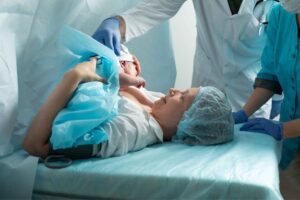
Restoring missing maternal microbes after C-section birth could be a new strategy to support early neurodevelopment.
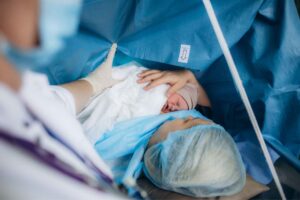
Early interventions targeting the infant gut microbiota, especially in babies born by C-section, may reduce the probability of neurodevelopmental conditions such as autism.

Supplementation with key beneficial bacteria, alongside efforts to reduce breastfeeding barriers, may offer scalable strategies to reduce socioeconomic health disparities.

Boosting the gut metabolite indoleacrylic acid (IA), either directly or through the probiotic Bifidobacterium longum subsp. infantis, help protect the gut and prevent NEC.

To better define the role of biotics in infant formula, future studies should be specifically designed to assess infection prevention, with adequate sample sizes, harmonised formulations and long-term follow-up.
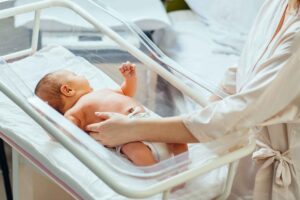
Bacteria such as Enterococcus faecium and Limosilactobacillus reuteri are key in activating an immune receptor that boosts the activity of protective immune cells.

Bifidobacterium longum and B. infantis are distinct species with strains adapted to local diets, highlighting the importance of developing geographically tailored infant probiotics.

Even after long breaks, such as summer vacation, babies continued to share more microbes with former nursery peers than with children from other nurseries.
A longitudinal study aims to explore the trajectories of MCBAs in relation to islet autoimmunity and type 1 diabetes of children.