Around 11% of babies are born prematurely, and infections such as sepsis are a leading cause of early death. Now, a clinical trial in preterm babies found that specific gut bacteria can help them develop protective immunity and reduce the risk of sepsis.
The findings, published in Cell Host & Microbe, suggest that supporting the gut microbiota with targeted probiotics could be a safe strategy to prevent life-threatening infections in preterm babies exposed to antibiotics.
Preterm babies often receive antibiotics, which can disrupt their developing gut microbiota and increase the risk of later infections, including late-onset sepsis. However, the link between microbiota disruption and late-onset sepsis is not fully understood.
To study how individual infants’ microbiotas mature and how antibiotics affect this process, researchers led by Wei Shen at Southern Medical University in Guangzhou, China, analyzed the gut bacteria of preterm and full-term babies across China, the US, and the UK.
Microbiota development
The most common gut bacteria, such as Enterococcus, Klebsiella, Escherichia, and Staphylococcus, followed similar patterns across preterm and full-term babies, but individual infants showed a lot of variation in how quickly their microbiotas matured. Preterm infants’ microbiotas develop more slowly than those of full-term infants, and those who mature faster have gut bacteria more similar to full-term babies.
The researchers found that the speed at which a preterm infant’s gut microbiota develops can predict their risk of late-onset sepsis. In two groups of Chinese infants, those whose microbiotas matured more slowly had a higher chance of developing late-onset sepsis. Slow microbiota development was also associated with longer antibiotic use, suggesting that antibiotics may delay gut microbiota maturation.
Statistical analyses showed that the pace of microbiota development is a better predictor of late-onset sepsis than the presence of any specific bacteria and that about a third of the increased risk from antibiotics can be explained by delayed microbiota growth.
Mitigating risk
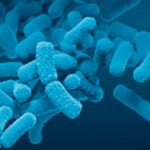
Further experiments showed that bacteria such as Enterococcus faecium and Limosilactobacillus reuteri, which produce an enzyme called DL-endopeptidase, are key in activating an immune receptor that boosts the activity of protective immune cells.
In mouse models and a small infant trial, supplementing these bacteria improved immune responses and reduced inflammation, suggesting a potential strategy to lower the risk of late-onset sepsis.
“Our findings reveal that gut microbiome development in preterm infants is highly dynamic yet vulnerable to disruption,” the authors say. “While antibiotics remain indispensable, integrating microbiome monitoring and targeted supplementation may offer a strategy to mitigate [late-onset sepsis] risk in this fragile population.”
 Latest related content