Chemotherapy treatment and intestinal diseases can alter the process of programmed cell death, which can lead to gastrointestinal tract's infections.

Specific changes in the gut microbiota could contribute to disruptions in brain physiology and cognitive behavior. This process leads to cognitive impairment. A new study published in Cell Host &…

Prof. Lucio Capurso comments about the 11th edition of the Probiotics, Prebiotics & New Foods congress, held in Rome at the Pontifical Urban University from 12th to 14th September 2021.
Industry
Sponsored by
Sacco System will support Evolve BioSystems Inc with an investment finalized to eventually bring Evivo® Baby Probiotic to Europe.
Regular short-format conferences that provide all the key elements of a traditional conference! Learn more.

The ability to transfer resistance to infection suggests that the microbiota could be harnessed for therapeutic treatments. A new study published in Cell Reports claims.

A new study published in Cell Host & Microbe suggests that the transfer of gut microbes from a mother to her offsprin could reduce the risk of developing type 1…
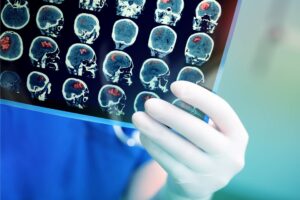
A new study suggests that gut microbes could affect stroke severity or post-stroke outcome through a metabolite called TMAO.
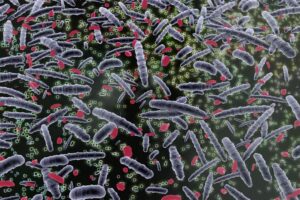
Researchers have developed a new approach to study microbial metabolism that works by detecting microbial metabolites in diverse biological samples and trace them back to the metabolic profiles of bacteria…

A milestone for people at risk of cardiovascular disease, obesity and diabetes: the new ingredient will be marketed as a food supplement in 2022