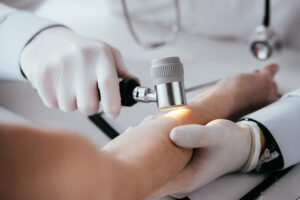
The bacterial strains in MB097 were identified by analysing the microbiome of patients in multiple studies of ICIs in melanoma.

Industry, Video
Sponsored by

Marco Caspani, Executive Director of the Microbiome Division of Sacco System, explains how the company is directing his efforts and strong focus to the field of Biotherapeutics with the launch of…
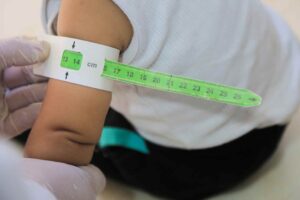
The findings of a new study suggest that providing at-risk populations with NOD2 ligands or probiotic bacteria that release high levels of NOD2-activating molecules may help to treat undernutrition.
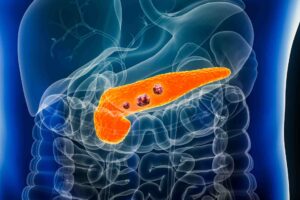
The findings of a new study suggest that the microbial metabolite 3-IAA could help to treat PDAC.
The first-in-human study double-blind, placebo controlled, 28-day crossover study of the safety and tolerability of SB-121

Gabriel Leventhal, Chief Scientific Officer at Pharmabiome, spoke about NicheMap, a reference database that allows us to select the most appropriate strains to engineer targeted changes in the microbiome.

Collaborative initiatives would be needed to detect subtle associations and understand the role of the gut microbiome in the development of psychiatric symptoms over time.
The findings of a new study suggest that periodontal disease may contribute to rheumatoid arthritis by triggering specific immune responses.

Healthcare professionals area, Scientific research
Sponsored by

Download the review that summarize the scientific and clinical work conducted on the probiotic formulation Probi® Osteo.

Colette Shortt, Regulatory Specialist and Visiting Professor University of Ulster, spoke about the regulatory framework for food supplements and Live Biotherapeutic products.