A new study helps to explain how nerve cells sense the microbes in the gut and how they coordinate their function with other tissues in the digestive tract.
A new study could inspire the use of dietary fibers to manipulate the gut microbiota and its functions, with beneficial effects for health.
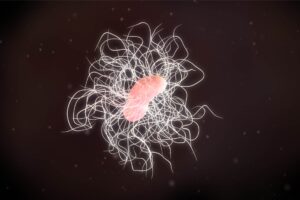
A new study published in Nature Microbiology shows that the risk of colonization with C. difficile is highest during recovery from acute diarrhea.

A study suggests that the effects of dietary interventions during pregnancy are mediated by different factors, including the infant airway microbiota.

The gut microbiota plays a role in the noncommunicable diseases. Now a theory suggests that these conditions could be transmitted through the gut bacteria.
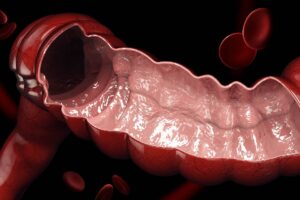
Fat feeding reduces nutrient sensitivity of specific cells in the gut and alters the gut microbiota, a study published in eLife claims.

The modulation of the microbiota impacts on the efficacy of the new anti-PD-1 cancer therapies. We discuss it with Giorgio Trinchieri (NIH, USA).
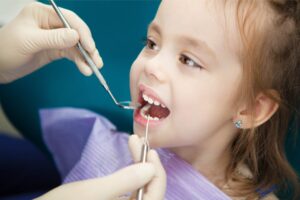
Researchers have identified oral bacterial species that are elevated in children before they develop dental caries.
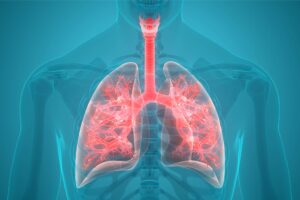
Researchers have found that lung bacteria could help to predict how well people in intensive care will respond to treatment.
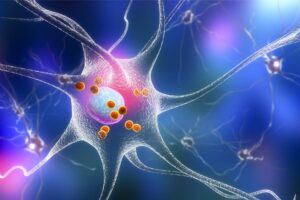
A new study published in Cell Reports suggests that a common gut microbe could slow—and even reverse—the build-up of a protein associated with Parkinson's.