
Researchers have found that a specific microbial metabolite may boost the efficacy of anticancer therapy in people with TNBC. The findings could inform the development of improved treatments for TNBC.

New research investigates the role of lung microbiota in pediatric patients with lung infection or injury after bone marrow transplantation.

Researchers uncover the gut microbiota changes that happen in the very early stages of heart disease. The microbial and metabolic profiles identified could be used as markers of the transition…

A recent study investigates the role of the gut microbiota in helping the gallbladder regulate the innate immune response

The findings could help to develop microbiota-based strategies to advance immunothery treatments for melanoma.

New research reveals that ocean-derived genes are common in the human microbiota, highlighting the interplay between diet and adaptation of human gut microbes.

Researchers have found that β-carotene modifies the abundance of certain gut microbes and improves the intestinal dysfunctions
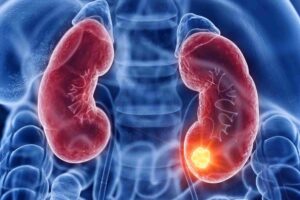
Researchers have found that combining a probiotic product with immunotherapy may boost anti-tumor responses in people with advanced kidney cancer.

Researchers have found that Lactobacilli could be used to treat common acne lesions, reducing the need for topical antibiotics.
Researchers have found that some gut microbes may be connected to depression, thus highlighting that the intricate relationship between humans and their microbiota could have important health implications.