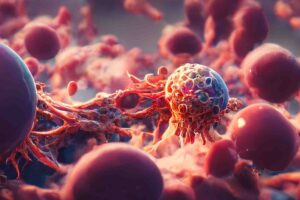
New studies provide evidence that there may be fungi within tumors and could also help to diagnose certain types of cancer or predicting their course.
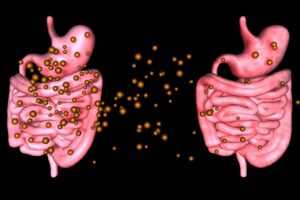
The findings of a new research could help to optimize fecal microbiota transplantation (FMT) protocols and identify the most suitable donors for transplantation.

New research indicates that recurrent urinary tract infections and estrogen can shape the urogenital microbiota in ways that may protect against recurrent infections.
The findings of a new research shed light on the mechanisms by which gut bacteria influence the development and progression of multiple sclerosis.

The findings of a new research suggest that combining Lachnospiraceae antibody screening with blood tests could improve the diagnosis of ME/CFS.

The findings of a new study suggest that the interplay between diet, microbiota and intestinal immunity regulates obesity, diabetes and other metabolic conditions.
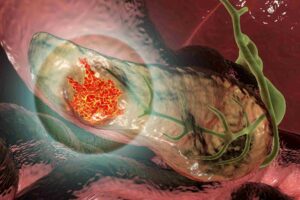
A gut microbial metabolite called trimethylamine N-oxide, or TMAO, could improve immunotherapy success in pancreatic cancer.

The findings of a new research suggest that microbiota-based therapies can help improve clinical outcomes after organ transplants.
Researchers have developed a new technique that can identify which gut microbes have migrated from the gut to the blood.

A recent study shows that some bacterial strains are similar to the human host phylogeny, suggesting that they evolved alongside humans.