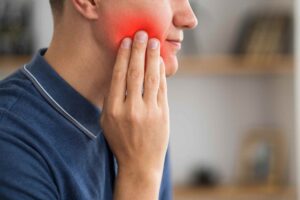
The findings of a new study suggest that periodontal disease may contribute to rheumatoid arthritis by triggering specific immune responses.

The findings of a new study suggest that infants acquire their gut virome from their diet and environment rather than from their mothers.

The findings of a new study reveal a microbe-immune axis that is disrupted in pregnant animals, suggesting potential therapeutic approaches for pregnancy-associated sepsis.

The findings of a new study suggest that a newborn’s lung immunity is influenced by the interplay between maternal γδ T cells, the gut microbiota and microbial-derived SCFAs.

The findings of a new study suggest that mycobiome maturation and infant growth trajectories are linked.

The findings of two recent studies published in Cell Host & Microbe may help to develop new diagnostic tools and better animal models of ME/CFS.

The findings of a new study support the ‘sterile womb’ hypothesis and may help scientists avoid pitfalls of contamination in the analysis of samples where microbes are expected to be…

The findings of a new study indicate that gut commensals may contribute to obesity through the overproduction of microbe-derived lipids.
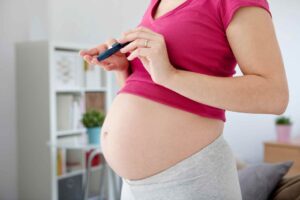
The findings of a new study suggest that biomarkers such as the gut microbiota composition may help develop diagnostics and therapeutic approaches for gestational diabetes.
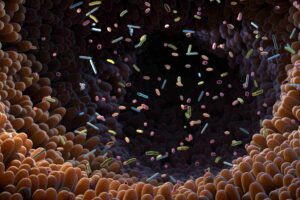
The immune system tolerates flagellins of commensal bacteria while mounting an immune response against flagellins produced by pathogens.