
A recent study shows that microbiota maturation during weaning contributes to normal immune development and protection from infection.
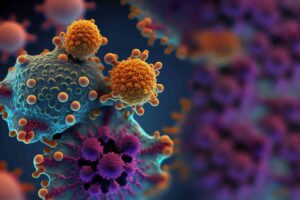
The findings of a recent study identified microbiota signatures that may allow clinicians to predict the outcomes of CAR-T immunotherapy.

Diet-induced changes in the gut microbiota confer protection against respiratory infections by regulating the development of key components of the immune system.
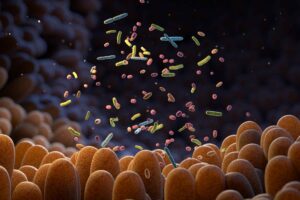
The findings of a recent study suggest that other gut microbes use liquid-liquid phase separation to colonize the gut, opening the way for new microbiota-based clinical applications.

The findings of a recent study suggest that estradiol-degrading bacteria could be therapeutic targets for treating depression in some women.
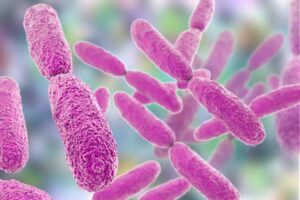
The findings of a recent study suggest that tilimycin-producing bacteria can cause genetic mutations in the colon and increase a person’s susceptibility to disease.
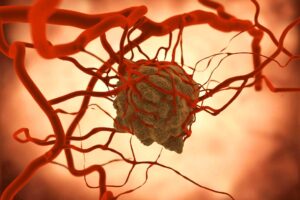
The findings of a new study shed light on a general mechanism by which gut bacteria may influence anti-cancer immune responses.

The findings of a new study suggest that mothers transmit bacteria to their infants through multiple routes — a process that ensures that babies receive essential microbes.
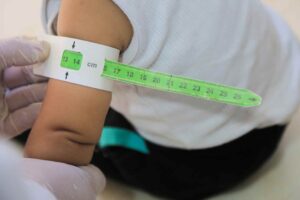
The findings of a new study suggest that providing at-risk populations with NOD2 ligands or probiotic bacteria that release high levels of NOD2-activating molecules may help to treat undernutrition.
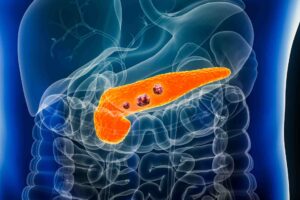
The findings of a new study suggest that the microbial metabolite 3-IAA could help to treat PDAC.