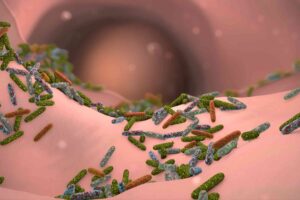
Researchers have developed a new technique that can identify which gut microbes have migrated from the gut to the blood.
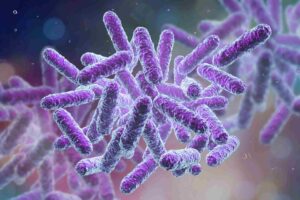
A recent study shows that some bacterial strains are similar to the human host phylogeny, suggesting that they evolved alongside humans.
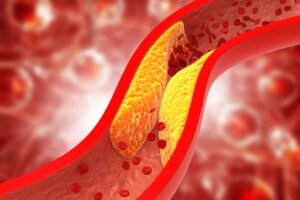
The findings of a new study suggest that Bacteroides can metabolize cholesterol, thus helping to regulate its levels in the blood.

COVID-19 alters the local immunity of the lung in ways that weaken the body’s antimicrobial defense and facilitate the development of secondary infections.
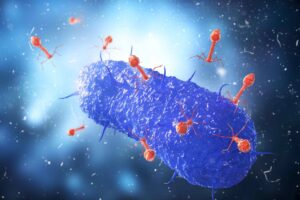
The findings of a recent study suggest that phages can be used to treat IBD and other diseases associated with gut microbes.
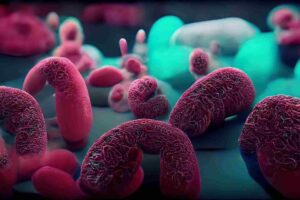
The findings of a recent study suggest that engineered native gut bacteria could be employed to help treat certain diseases such as diabetes.

A recent study suggests that the microbiome changes in response to human consumption of non-nutritive sweetener may induce glycemic changes in consumers in a personalized manner.

Antimicrobial resistant bacteria are present in newborns after just a few hours of life and they help to understand the routes of transmission of antibiotic-resistance genes.
The findings of a new research suggest that different responses to statins can be explained by the variation in the human microbiota.

The findings of a new research illuminate the link between IBS and gut bacteria, and suggest that histamine is a good target for therapies against the condition.