
The findings of a recent study suggest that FMT is an effective strategy to mitigate the intestinal side effects of cancer immunotherapy.

Understanding how gut microbes are linked to preclinical Alzheimer’s disease could help to identify markers of disease risk.

The findings of a recent study suggest that targeting the interactions between MAdCAM-1 and specific receptors on the surface of immune cells may help to improve immunotherapy outcomes.

The findings of a recent study suggest that vaginal seeding is safe and may normalize the gut microbiota in infants born by C-section.
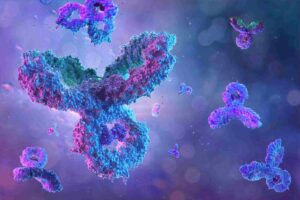
IgA can modulate the exposure and immune response to commensal microbes, and its levels determine the severity of immune dysregulation and clinical symptoms in people with IgA deficiency.
The findings of a new study suggest that the new nanomedicine approach can improve the delivery of TNF-α-siRNA in people with IBD.

A recent study poses the basis for the use of microbiome profile in AF risk prediction.

The findings of a recent study suggest that combining Lactobacillus probiotics with nanozymes can help treat Candida vaginitis and help the growth of beneficial vaginal microbes.

The findings of a recent study suggest that the gut microbiota contributes to improve metabolic health after gastric bypass surgery.

The findings of a recent study suggest that a mild gastrointestinal infection can alter gut commensal populations in ways that boost the commensal’s ability to proliferate during an infection.