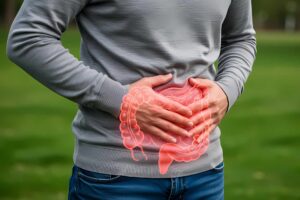
By revealing that OTUD3 limits microbiota-driven STING activation, the findings of a new study offer insights into the disease mechanisms of ulcerative colitis and may pave the way to new…
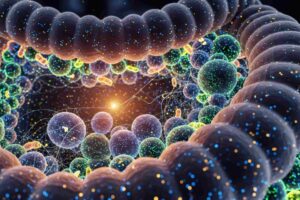
Engineered bacteria can be used in gut therapies, but maintaining control over their colonization and genetic stability remains challenging.

Probiotics protect against obesity and inflammation caused by high sugar intake, supporting their use as a preventive strategy for obesity-related diabetes.

A recent study highlights formate as a potential target to boost cancer treatment.

Breastfeeding and Bifidobacterium are key factors in shaping the infant resistome and could offer strategies to reduce antibiotic resistance early in life.
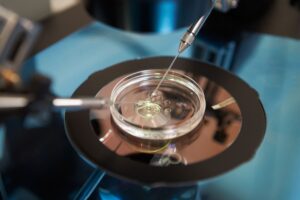
Managing gut health might be important for fertility treatments.

Specific gut bacteria are important in early life for healthy immune development.
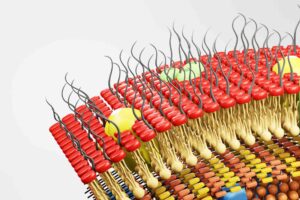
Dietary LPS can mimic microbial signals and drive gut immune development, with early-life being a critical window for shaping gut immunity.
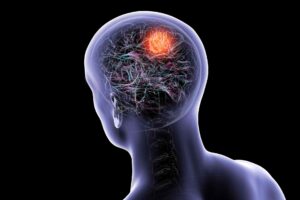
Dietary intervention and the utilization of D. dubosii offer potential insights for the treatment of brain tumor patients.

The findings of a recent study highlight the importance of understanding skin microbiotas to manage long-term fungal infections in Indigenous communities.