
Certain barriers on the skin prevent easy colonization of new strains and specific life stages, such as adolescence, may be crucial for successful probiotic interventions.

Even small differences between strains of gut bacteria—often within the same species—can sway how these microbes interact with the human body and influence disease outcomes.
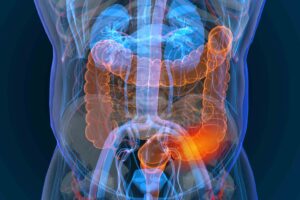
Genetic factors can influence tumor-associated microbes, offering insights into colorectal cancer progression and potential therapeutic targets.

TCA can help to manage IBD by supporting the gut barrier and influencing microbiota composition.

The findings of a recent study highlight the importance of early-life gut microbes in shaping lung health and add to evidence that microbiota composition can influence asthma risk.

Altered gut bacteria may contribute to fibromyalgia and modifying the gut microbiota could offer a promising approach to reduce symptoms of the condition.

The gut microbiota evolves throughout early life, especially during key transitions phases such as weaning.

A healthy, diverse gut microbiota is important for mounting strong and lasting immune responses to vaccination.

A recent study highlights the potential for dietary interventions in treating C. difficile infection and inflammatory conditions such as inflammatory bowel disease.

Modifying the microbiota could influence multiple sclerosis progression and provide new therapeutic targets.