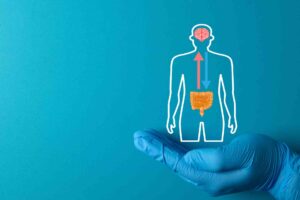
Combining data about gut-brain–related disorders with genetic and other information provides a powerful approach for predicting Alzheimer’s and Parkinson’s disease.
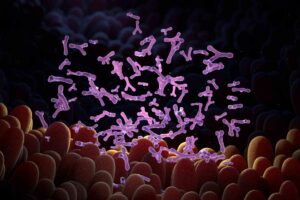
The findings of a news study reveal how Bifidobacterium evolve and adapt to different hosts, paving the way for targeted therapies such as customized probiotics and diet-based interventions.

Three promising bacteria were linked to better treatment responses in melanoma patients.
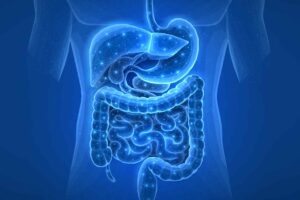
Targeting the microbiota could be a new way to strengthen gut immunity and develop treatments for inflammatory bowel diseases such as Crohn’s disease.

Antibodies in breast milk “teach” a newborn’s gut immune system to respond appropriately to microbes and maintain intestinal balance without causing unnecessary inflammation.

Profiling the human gut microbiota at the subspecies level, rather than at the species- or strain-level, provides more reproducible insights into how specific bacteria influence health and disease.
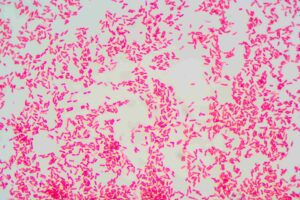
Gut bacteria cooperate to convert the dietary antioxidant ergothioneine into a compound that supports energy production.
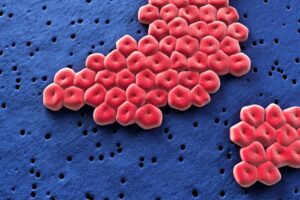
The findings of a recent study reveal a key strategy used by A. baumannii to colonize the gut and persist in it, highlighting a potential target for preventing its spread…
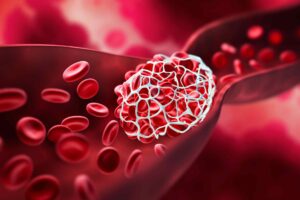
Targeting specific gut bacteria and their metabolites could offer new ways to prevent or treat cardiovascular disease linked to diet and gut health.

Maintaining healthy T cells is key to preserving gut health and preventing chronic inflammation that drives aging-related diseases.