At the Pharmabiotics Research Institute conference in Brussels, discussion highlighted the oral microbiome as one of the most complex microbial ecosystems in the human body—second only to the gut.
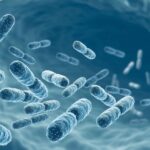
Microbiomepost Microbiomepost.com conducted an exclusive interview with Gianfranco Grompone, Chief Scientific Officer at BioGaia GA to discuss the new evidences about oral microbiome.Distributed across distinct niches such as the tongue, palate, dental plaque, and saliva, the oral microbiome comprises more than 700 microbial species, including bacteria and fungi, organized in resilient biofilms. When this ecosystem shifts toward dysbiosis—often characterized by periodontal pathogens—inflammatory conditions can emerge, including gingivitis and periodontitis, and complications may follow dental procedures such as orthodontic interventions or peri-implantitis. Increasingly, research is also linking the oral microbiome to other body sites, particularly the gut, raising the possibility that oral microbial signatures could serve as proxies for broader systemic health. Emerging evidence suggests associations between specific periodontal pathogens and diseases such as type 2 diabetes, neurological disorders, and colorectal cancer, with Fusobacterium nucleatum frequently cited in this context. Within this landscape, clinically supported probiotics are being investigated as a targeted strategy to modulate oral dysbiosis and inflammation. One approach discussed involves a synergistic combination of Lactobacillus reuteri strains (DSM 17938 and ATCC PTA 5289), developed to reduce periodontal pathogen burden while also attenuating inflammatory processes. More than 70 randomized controlled trials across indications—including gingivitis, periodontitis, peri-implantitis, dental plaque, and caries prevention—were referenced, underscoring the growing role of evidence-based probiotics in oral health.
 Latest related content