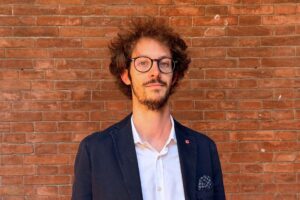
William Fusco, Policlinico Gemelli, discusses the gut fermentation syndrome, a rare condition arising when ethanol-producing bacteria or fungi in the gut generate excessive amounts of alcohol from dietary carbohydrates.
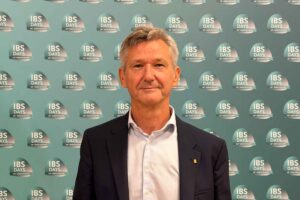
Guy Boeckxstaens of KU Leuven explains how mast cells may alter pain signalling through IgE dependent responses to food antigens and activation of the MRGPRX2 receptor.

Nathalie Vergnolle (Inserm, France) discussed the potential role of proteases in altering the intestinal mucus layer in irritable bowel syndrome (IBS).
William Fusco, gastroenterologist at Gemelli University Hospital in Rome, discusses the role of peppermint oil in the management of disorders of gut–brain interaction.

Maria Rescigno presents a preclinical study investigating a non-absorbable antibiotic with eubiotic properties in a mouse model of gastrointestinal toxicity induced by the chemotherapeutic agent 5-fluorouracil (5-FU).
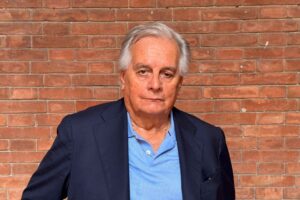
According to Stephen Michael Collins, McMaster University, these vesicles may represent not only a new component of the microbiota–gut–brain axis, but also a promising platform for future targeted drug, vaccine…

The work of Angela Sessitsch, Head of Center at Austrian Institute of Technology, shows that environmental pressures such as drought can substantially reshape the plant microbiome.
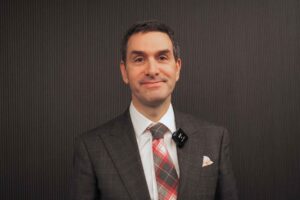
David Suissa, CEO of BYOME LABS, discusses the growing interest in microbiome research, from the gut and vaginal ecosystems to the less explored skin, scalp and oral microbiomes.
Julie Rodriguez, researcher at Inserm (National Institute of Health and Medical Research, France) explored the main categories of microbiome-based biomarkers and their potential applications in clinical practice.
Marta Ciechonska of Salient Bioscience presented the company’s approach to developing standardized, reproducible microbiome tests based on shotgun metagenomic sequencing.