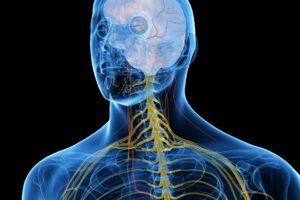
Maintaining a healthy gut barrier and microbiota, through diet or other interventions, could help prevent bacteria from reaching the brain, helping maintain neurological health.

Francisco Guarner, from Centro Médico Teknon in Barcelona, discusses the role of probiotics in the prevention of antibiotic-associated diarrhea.
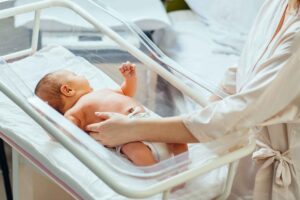
Bacteria such as Enterococcus faecium and Limosilactobacillus reuteri are key in activating an immune receptor that boosts the activity of protective immune cells.

Prof. Flavia Indrio reflects on the main take-home messages from the congress, which brought together 32 leading international experts in microbiota research, allergy, nutrition, gut-brain axis and lung disease.
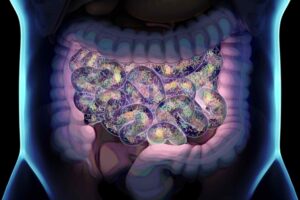
Lantibiotic-producing gut bacteria can prolong gut imbalance and increase susceptibility to dangerous infections after antibiotics.

Nutrient competition provides a predictive framework to anticipate and potentially mitigate drug side effects on the gut microbiota.
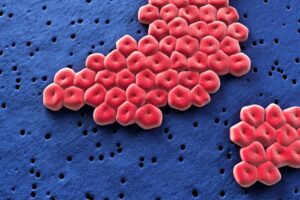
The findings of a recent study reveal a key strategy used by A. baumannii to colonize the gut and persist in it, highlighting a potential target for preventing its spread…
Engineered bacteria can be used in gut therapies, but maintaining control over their colonization and genetic stability remains challenging.

Breastfeeding and Bifidobacterium are key factors in shaping the infant resistome and could offer strategies to reduce antibiotic resistance early in life.

Bacterial metabolites such as inosine could be used as a therapy to strengthen infant immunity after early microbiota disruption.