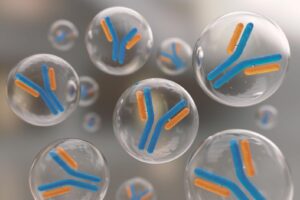
At weaning, changes in the gut microbiota trigger an immune reaction that is important for preventing allergies and other inflammatory diseases later in life.

Alan G. Wade, the founder of CPS Research, talks about how they analyze the microbiota to assess the impact of probiotics on health.
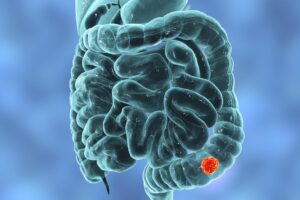
Scientists may have just figured out how colibactin, a DNA-damaging molecule produced by certain strains of E. coli, contributes to colorectal cancer.
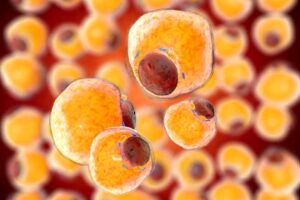
P. distasonis can alleviate obesity and reduce obesity-related abnormalities. That’s the conclusion of a cinese study published in Cell Reports.

In precision cancer care, the microbiota cannot be put aside. We talked about this with James Kinross from the Imperial College London.
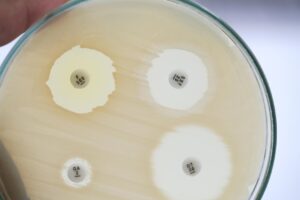
In order to manage antimicrobial resistance and enhance immune responses against pathogens, a duo of scientists proposes to turn to the gut microbiota.

The intestinal microbiome of healthy children plays a protective role against food allergies, a study published in Nature Medicine concludes.
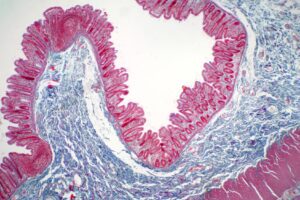
Cells in the gut sense commensal microbes through receptors that trigger the production of inflammatory molecules and the activation of the immune system.

The gut microbiota can be useful to distinguish between IBD and IBS. That's according to a study published in Science Translational Medicine.
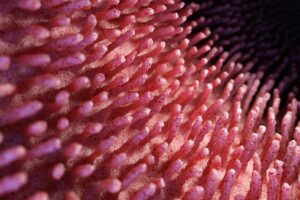
A low-calorie, low-protein diet could help reduce the inflammation associated with IBD. That’s according to a study published in Cell Reports.

Antonio Gasbarrini from the Gemelli Hospital in Rome explains how the modulation of the intestinal microbiota is entering medicine.
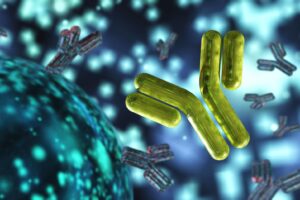
A commensal Lactobacillus strain worsens the symptoms of systemic lupus erythematosus and triggers the host's immune system.
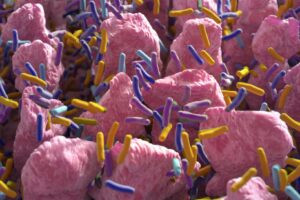
According to a study published in Science, some microbiota bacteria prevent immune activation by communicating with intestinal cells.
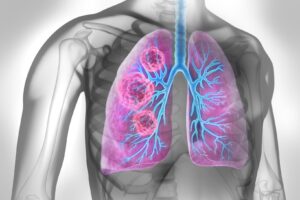
Lung bacteria can cause inflammation associated with lung cancer by activating the host’s immune system, researchers reported in the journal Cell.
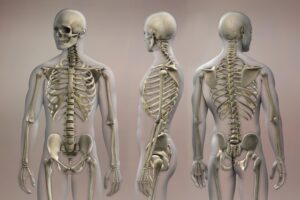
Antibiotics can alter the development of the skeleton by disrupting the gut microbiota and, consequently, affecting the immune system.
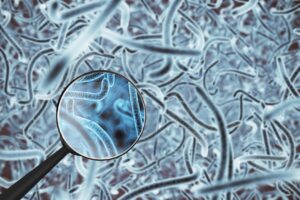
The gut microbiota differs between ethnic groups, a study led by Andrew Brooks at Vanderbilt University in Nashville and published in PLOS Biology claims.
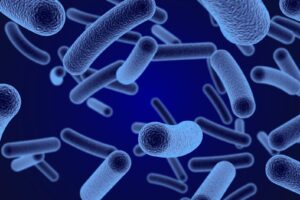
Thanks to advanced computational tools, scientists have identified nearly 2,000 new species of gut bacteria. A step towards understanding the microbiota.

Some gut bacteria might influence mood and prevent depression, according to a new study published in Nature Biotechnology.

MetaboGen is active in the field of live biotherapeutic products and on the study of liver diseases. We discussed their approach with Sara Malcus, CEO of the company.

According to a new study, the microbiota of breast milk depends on whether the milk is pumped or fed to an infant directly from the breast.