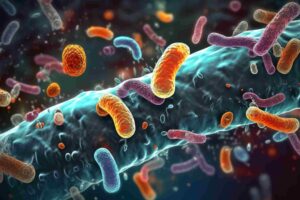
A recent study introduces a novel technique for developing next-generation probiotics, achieved by enabling strictly anaerobic bacteria to tolerate oxygen exposure without compromising their potential beneficial properties.

This study highlights the potential risks associated with the use of nanoparticles in food production and processing.

Gianluca Ianiro, from Gemelli Hospital in Rome, discusses the key determinants of success of FMT in the treatment of C. Difficile infections and other conditions.
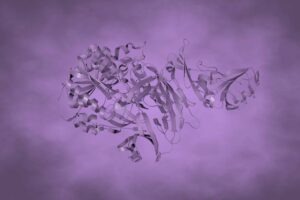
The findings suggest that Dau-d4 can supplement current DPP4 treatment approaches for type 2 diabetes.

The findings of a recent study may help identify targets for the prevention or treatment of rheumatoid arthritis and other inflammatory conditions.

Vegim Zhaku, from Tetovo University Faculty of Medicine, Macedonia, discussed the case of a male patient with palpitations, shortness of breath, epigastric discomfort and flatulence.

The findings of a recent study suggest that microbial consortia such as MET-2 may be effective strategies to keep intestinal pathogens and antibiotic-resistant organisms at bay.
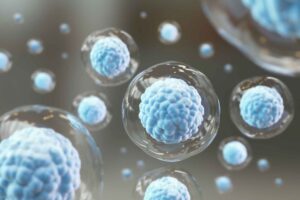
The findings of a recent study uncover how gut microbes may contribute to trigger GVHD, suggesting potential targets for therapies.

Sara Deleu, researcher at KU Leuven, talks about the role of gut metabolite, as Butyric acid and other compounds, during the fecal microbiota transplantation.
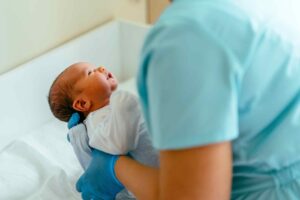
Larger studies with longer follow-ups are needed to assess whether and how VMT influences neurodevelopment.
The findings show that bacterial metabolites can sensitize cancer cells to treatment with immunotherapy by boosting the expression of HLA class I molecules.

George Paraskevakos, Executive Director at International Probiotics Association, discusses the future of the microbiome space.

Analyzing how different exposures affect the infant gut microbiota could help researchers identify confounding factors and potential microbiota modulators.

Understanding how antibiotics influence the microbiota’s impacts on immunotherapy may inform strategies to identify cancer patients that are more likely to respond to cancer treatment.

Iris Dothan, from Rabin Medical Center, Israel, talks about the profiling of patient with pouchitis in order to determine the benefits from microbiome manipulation.

The authors propose a framework to leverage multi-omic datasets obtained from well-defined cohorts and to examine the impact of the GBA on ASD.

The findings of a recent study suggest that there is a causal link between the gut microbiota and infertility.

Jean-Luc Marsat, CEO & Chairman at EverImmune, discusses the research EverImmune carries out in oncology.
Microbiota-based approaches could help researchers expand the therapeutic toolkit for fighting antibiotic resistance and treating tough infections.
The findings of a recent study suggest that even mild cases of COVID-19 can disrupt the gut microbiota.