
Microbiomepost conducted an exclusive interview with Charlotte Neumann, researcher at Medical University of Graz, about the role of Archaea and obligate anaerobes in the development of the infant oral microbiome.

The findings indicate that MAIT cells act as detectors of gut inflammation by interacting with the microbiota.
The balance of specific microbes in the gut can help predict who will respond to immunotherapy drugs.

Franco Vicariotto, Ospedale S. Pio X, Milan, talks about the results from a clinical trial in post-menopausal women.

Maternal fecal microbiota transfer in babies born by caesarean section can help to correct alterations in microbiota composition.
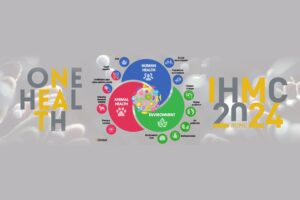
The microbiome is a key piece in the One Health puzzle given that microbes and antimicrobial resistance genes travel extensively between the different compartments, and effectively connects all healths.

The findings of a recent study suggest that environmental factors are important for the development of a healthy microbiota.

Understanding how gut microbes influence biological processes related to aging may inform interventions aimed at optimizing the microbiota to promote longevity.
The findings of a recent study suggest that combining dietary fiber with B. acidifaciens can be a therapeutic strategy for alcoholic liver disease.

The findings suggest that artificial intelligence can help uncover new antibiotics, opening the way for new approaches to antibiotic discovery. The work also offers an open-access resource for antibiotic developers.
The findings of a recent study may inform the development of antibiotics that kill harmful bacteria and not beneficial ones.
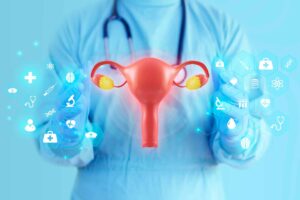
The findings of a recent study suggest that the gut microbiota of women with PCOS and dyslipidemia differs from that of women with PCOS only and healthy women.
The findings of a recent study suggest that the combination of anti-PD-1 immunotherapy with a lack of TREM2 generates a gut environment that promotes inflammation, which improves tumor rejection.

The findings of a recent study suggest that gut bacteria transform steroids into hormones that may impact a woman’s health, especially during pregnancy.

The findings of a recent study suggest that metformin regulates glucose metabolism by altering specific gut bacteria rather than by causing a general increase in microbial diversity.

The work, published in Nature, found a link between the gut, its microbiota and reproductive cells in mice.
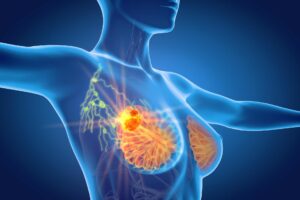
The findings of a recent study suggest that Desulfovibrio can drive cancer progression, paving the way for therapeutic approached that targeting the gut microbiota.
The authors advocate for further research on worm-microbiota interactions, suggesting that new animal models could help inform strategies for improving health during early life.
The findings of a recent study may help clinicians to select more targeted antimicrobials based on where on the body the surgery is taking place or which type of bacteria…
The findings uncover a link between vitamin D, the immune system and gut bacteria, and they suggest that vitamin D levels could be important for cancer immunity and the efficacy…