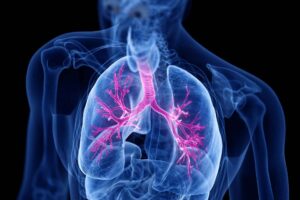
Targeting TLR5 could offer a new way to treat or prevent IPF by correcting harmful lung microbiota changes after injury.
Azelaic acid travels from the gut to the lungs, where it activates immune cells to reduce inflammation and protect the lungs.
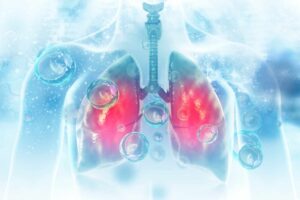
Segmented filamentous bacteria, or SFB, protect mice from these deadly infections by reprogramming specific immune cells in the lungs.

Pneumonia involves shifts in the entire lung microbial community, which interact with a person’s immune response.

The findings of a recent study highlight the importance of early-life gut microbes in shaping lung health and add to evidence that microbiota composition can influence asthma risk.

Targeting E. lenta or boosting neutrophil function may lead to new treatment strategies for bronchiectasis and related lung diseases.
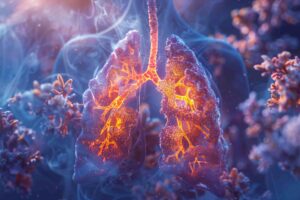
Delayed microbiota maturation in infants with cystic fibrosis could contribute to disease complications, highlighting potential therapeutic targets.

The findings of a recent study suggest that while T. musculis can worsen asthma, it might also help the body fight off infections, offering potential for new treatments targeting the…

The findings suggest that the microbial communities inhabiting an infant’s nose and throat can play a role in the severity of RSV infections.

The findings suggest that the development and maturation of the nasal microbiota are influenced by age and sex, while lifestyle factors shape the throat microbiota.