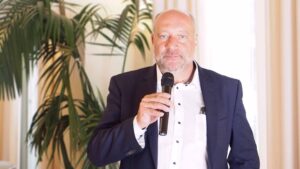
Stijn Oste, Vice president Metagenics, head EMEA, presents the new supplement during the press conference held in Milan (Italy).
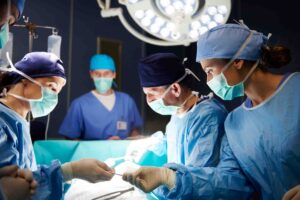
The findings of a new research suggest that microbiota-based therapies can help improve clinical outcomes after organ transplants.
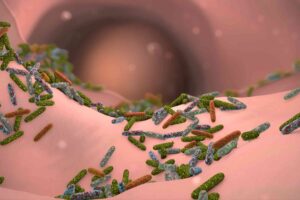
Researchers have developed a new technique that can identify which gut microbes have migrated from the gut to the blood.
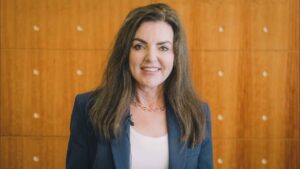
Denise Kelly (Investment Advisor at Seventure) discussed the next challenges and opportunities in the field of gut microbiome therapeutics.

A recent study shows that some bacterial strains are similar to the human host phylogeny, suggesting that they evolved alongside humans.
Connect directly with the global microbiome partners.
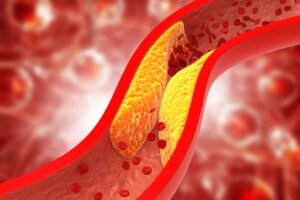
The findings of a new study suggest that Bacteroides can metabolize cholesterol, thus helping to regulate its levels in the blood.
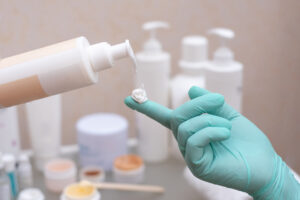
Gallinée was founded in 2014 by Marie Drago, PharmD, a world recognized specialist in skin microbiome.

Together with Prof. Ted Dinan (UCC Ireland), in this episode we discuss the link between gut, insomnia and anxiety.

Even though probiotics market is expanding worldwide, EU consumers cannot be informed about the presence of probiotics in food and food supplements.