
Lactobacillus plantarum P 17630 has obtained marketing authorization from the health authorities of the first group of EU states for the topical vaginal drug in soft and hard capsules.

Christopher Reyes, CEO, Co-Founder and Director at Bloom Science, spoke about the new class of microbe-based therapeutics for neurological disorders the company is working on.

Industry
Sponsored by
Final EU authorization of LNT, 3-FL and 3’-SL for safe use in infant formula at the highest dosage levels
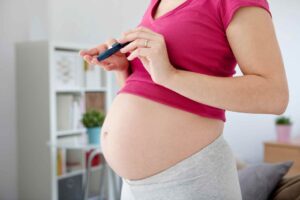
The findings of a new study suggest that biomarkers such as the gut microbiota composition may help develop diagnostics and therapeutic approaches for gestational diabetes.
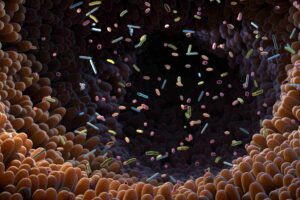
The immune system tolerates flagellins of commensal bacteria while mounting an immune response against flagellins produced by pathogens.
Herve Affagard, Chief Executive Officer at MaaT Pharma, gives us an update on the clinical trials (Maat013 and Maat033) and describes the vision of the company for the future of the…
We ask ChatGPT some of the most pressing questions about the microbiome research.
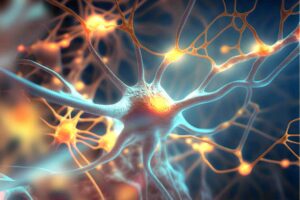
The findings may inform strategies to modulate the gut microbiota as a way to prevent or treat neurodegeneration.
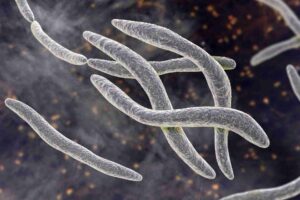
Vaccines against F. nucleatum and other onco-microbes may help prevent diseases such as colorectal cancer.

The International Probiotics Association’s expansion is part of the organization’s strategy to help the ’biotics’ industry grow in response to market demands.