A new study helps to explain how nerve cells sense the microbes in the gut and how they coordinate their function with other tissues in the digestive tract.
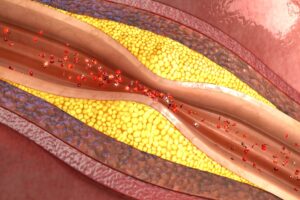
Researchers have developed molecules that remodel the gut microbiota to a healthier state, reducing cholesterol levels and inhibiting atherosclerosis.

PharmaBiome has developed unique technologies to access the entire range of intestinal bacteria. We met Christophe Lacroix, Founder of Pharmabiome.

A new study helps to explain how nerve cells sense the microbes in the gut and how they coordinate their function with other tissues in the digestive tract.
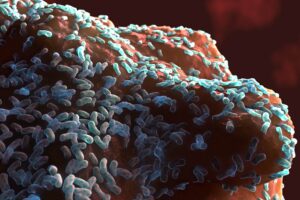
Researchers have developed an approach that uses bacterial biofilms to increase the ability of the gut microbiota to survive and reside in the gastrointestinal tract.
A new study helps to explain how nerve cells sense the microbes in the gut and how they coordinate their function with other tissues in the digestive tract.
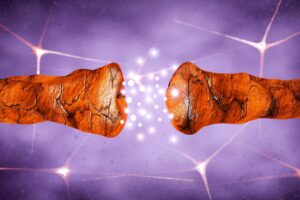
A japanese team identified bacterial populations that may determine intestinal pathology and influence the development of Parkinson's disease.
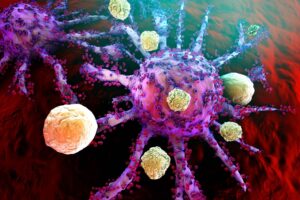
Researchers have found that the gut microbiota and the death of intestinal cells caused by chemotherapy can enhance the immune response of people with colon cancer.

ProDigest recreates the gastrointestinal tract to assess the mechanism of action of components such as prebiotics, probiotics or drugs.

Researchers have found that the community of bacteria in a person’s gut can alter how well they metabolize drugs.