A study published in Nature Medicine claims that the manipulation of the gut microbiota could be a new strategy to treat toxicity to combined immunotherapy.
Fecal microbiota transplants combined with daily fiber supplement improves insulin sensitivity in obese individuals with metabolic syndrome.
A new study published in Cell Host & Microbe illustrates how different dispersal strategies can allow bacteria to persist in the human gut.
A high-fat diet is associated with changes in the gut microbiota and microbial metabolites. These changes seem impair antibiotic efficacy.

A new study published in Cell could help to detect infection outbreaks and study the distribution of antibiotic-resistant microbes in different urban areas.

Specific food dyes are environmental risk factors for colitis development in conditions where IL-23 expression is dysregulated.

A new study published in Cell Host & Microbe could pave the way for using phages as biomarkers for the condition of rheumatoid arthritis.
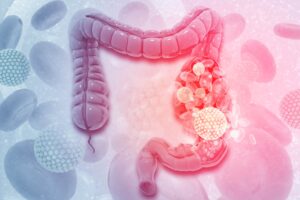
The alterations in gut microbiota composition observed in mice lacking TAK1 can generate a protective immunity against colitis and colorectal cancer.
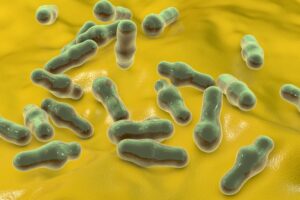
Fatty acid amides produced by Clostridia can help the bacteria to modulate their host by mimicking human signaling molecules.
The evolutionary history of the human microbiota could help to understand the role of present-day gut microbes in health and disease.