The gut microbiota could influence our health by producing metabolites that interact with human receptors, a study published in Cell Host & Microbe claims.

According to a recent study published in Science Translational Medicine, the gut microbiota may influence the development of muscle mass.

People with obesity-related conditions may benefit from supplements of the gut commensal Akkermansia muciniphila, a recent study suggests.

A microbial compound could increase the risk of asthma in children. A study identified the mechanisms that link the microbiota to allergies.

A high-fat diet induces reproducible changes in the gut microbiota, a meta-analysis published in Cell Host & Microbe revealed.

A swim in the ocean could change the microbiota on our skin, increasing the likelihood of infection, researchers have found.
Beneficial gut microbes may prevent and reverse food allergies, a study published in Nature Medicine finds.
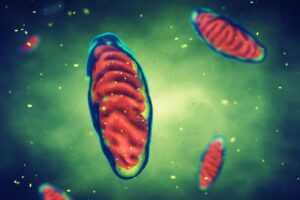
Mutations in the DNA of mitochondria influence both the gut microbiota and the diseases linked to it, a study published in Science Signaling claims.
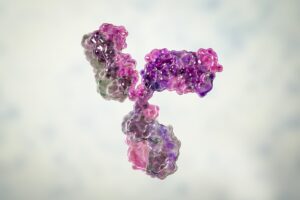
The gut microbiota could boost the activity of immune cells. That's according to a new study published in the journal Immunity.
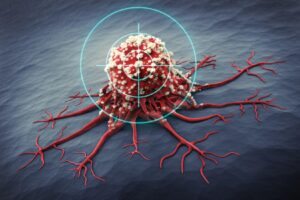
Researchers have engineered bacteria that can colonize tumors and deliver immunotherapy drugs. The study was published in Nature Medicine.