
Cowpea-based foods protect the gut microbiota, helping malnourished children to grow stronger. A new study published in Cell Reports Medicine claims.
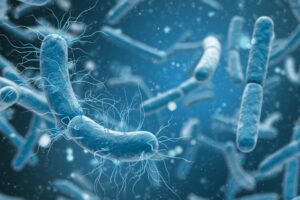
Immune cells called group 2 innate lymphoid cells (ILC2s) are responsible for triggering a response when bacteria and viruses breach the skin.
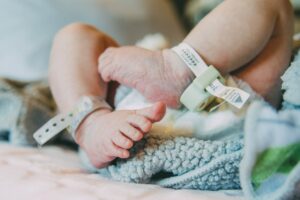
The composition of a baby’s first stool could determine whether children are likely to develop allergies and other conditions later in life.

Specific food dyes are environmental risk factors for colitis development in conditions where IL-23 expression is dysregulated.

A new study published in Cell Host & Microbe claims that the infant gut is home to bacteria that harbor hundreds of antibiotic-resistance genes.

Advisor to the Director General Romano Marabelli presents the role of the World Organisation for Animal Health at this year’s Probiotics, Prebiotics & New Foods conference, to be held in September…

A new study published in Cell Host & Microbe could pave the way for using phages as biomarkers for the condition of rheumatoid arthritis.
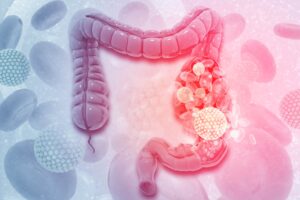
The alterations in gut microbiota composition observed in mice lacking TAK1 can generate a protective immunity against colitis and colorectal cancer.
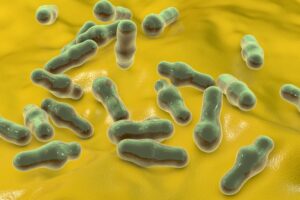
Fatty acid amides produced by Clostridia can help the bacteria to modulate their host by mimicking human signaling molecules.
The evolutionary history of the human microbiota could help to understand the role of present-day gut microbes in health and disease.