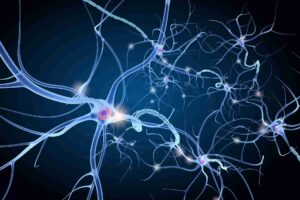
The impact of age-induced microbiota alterations facilitates the accumulation of CML metabolite in the microglia of mice and humans.
Researchers have found that a specific microbial metabolite may boost the efficacy of anticancer therapy in people with TNBC. The findings could inform the development of improved treatments for TNBC.

George Paraskevakos (International Probiotics Association) discusses the challenges on microbiome space.

MaaT Pharma has established a comprehensive approach to restoring the patient-microbiome symbiosis in oncology.

New research investigates the role of lung microbiota in pediatric patients with lung infection or injury after bone marrow transplantation.
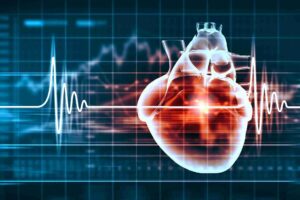
Researchers uncover the gut microbiota changes that happen in the very early stages of heart disease. The microbial and metabolic profiles identified could be used as markers of the transition…

Stephen Daniells (William Reed Business Media Ltd.) discusses what emerged at Probiota Global 2022.

Can a mutual solution be found for probiotics in Europe? Legal analysis, dilemmas, solutions are the topics of the webinar by IPA Europe, 4 April 2022.

A recent study investigates the role of the gut microbiota in helping the gallbladder regulate the innate immune response
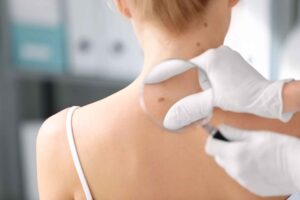
The findings could help to develop microbiota-based strategies to advance immunothery treatments for melanoma.