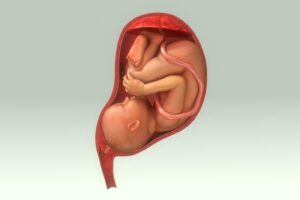
Obesity could affect pregnancy, researchers say. A new study may shed light on the link between maternal obesity and metabolic conditions in the progeny.

According to a study published in Cell Host & Microbe, a skin protein that protects skin from infections needs vitamin A to work.

The infant gut microbiota may have the potential to help identify children at risk for obesity. These are the conclusions of a study published in mBio.

According to a recent study, the gut microbiota could determine remittance or pro-inflammatory conditions in multiple sclerosis.

Does the space environment affect the composition of the human microbiota? A large study published in Science sheds light on the question.

Scientists have traced how the interplay of different species of Staphylococcus bacteria on the skin could influence the severity of skin eczema.
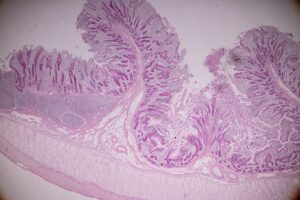
Researchers at the University of Michigan developed a mouse model that recapitulates many hallmarks of gut inflammation seen in people with Crohn’s disease.

Researchers have figured out how specific strains of Enterococcus faecalis became a deadly pathogen, causing a series of deadly infections in the mid 1980s.

Researchers have found that several strains of bacteria, including the pathogen Staphylococcus aureus, can influence the healing of diabetic foot ulcers.
Intestinal microbiota might be linked to neurodevelopment in early childhood, a new study published in JAMA Network Open finds.