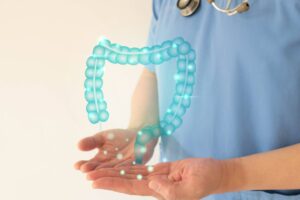
Gut microbes, through metabolites such as niacin, shape the regional identity and protective functions of colon cells.
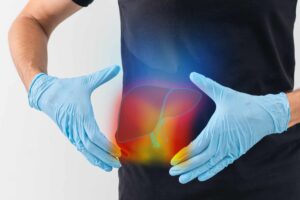
The findings suggest that L. salivarius can be a microbiota-based therapy for preventing severe fatty liver disease progression.

Giovanni Barbara (University of Bologna), Congress Chair, reflects on the key takeaways from the congress and shares his closing remarks.
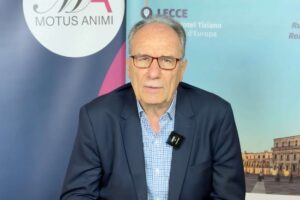
Francisco Guarner, from Centro Médico Teknon in Barcelona, discusses the role of probiotics in the prevention of antibiotic-associated diarrhea.

Maternal oral microbiota plays a key role in influencing infant gut health and disease risk.

Patrick Veiga, Gut Microbiome & Nutrition Research Director at INRAE (France), discusses one of the major challenges in probiotic research: the variability of clinical trial outcomes.

Targeting the gut microbiota could help predict, prevent or reduce chemotherapy-related toxicity.

Certain bile acids produced by gut microbes can interact with specific receptors in the body, influencing immune cells to fight tumors.