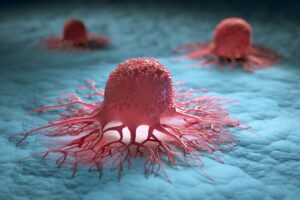
A new study published in Science Translational Medicine reveals why EGFR inhibitors, which are approved to treat cancers such as lung and colorectal cancer, cause severe skin side effects.
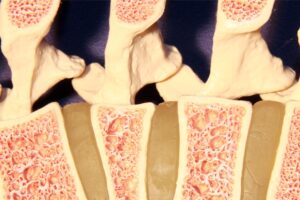
Changes in the proportion of some gut bacteria could promote graft-versus-host disease. That’s according to a new study done in mice, published in Science.

The gut microbes of native Himalayan and Andean people could have helped them to survive at high altitudes, a new study claims.

Researchers at the Baylor College of Medicine reviewed the body of evidence that shows how added sugars and sweeteners shape the gut microbiota.

The fungi and bacteria that inhabit our nose and the areas around it change with the seasons, according to a new study published in Scientific Reports.

Specific gut bacteria can activate plant-derived compounds that protect against cancer, according to a study published in Nature Microbiology.

The bacteria in our gut could influence the efficacy of exercise in preventing diabetes, a new study published in Cell Metabolism shows.

The composition of the airway microbiota in early life could predispose to the development of asthma later in childhood, according to a new study.

A study reviewed the evidences that link the microbiota with social behaviors, analyzing how the microbiota-gut-brain axis influences sociability.

Consuming pomegranate can alter the skin microbiota and confer resistance to UVB-induced damage, a study published in Scientific Reports claims.