
Researchers developed a new tool to modulate the gut microbiota for neutralizing the tumor-promoting microenvironment.
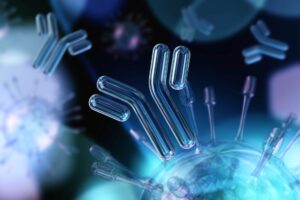
A. Macpherson et al. reviewed studies that looked at the interaction between the gut microbiota and their mammalian hosts, from fetal development to the early postnatal period.

Obese people have a gut microbiota that is associated with inflammation. But those who take statins have a healthier gut microbiota, a new study (Nature) found.

The American Gastroenterological Association (AGA) evaluated available evidence on clinical efficacy of probiotics for most digestive conditions.
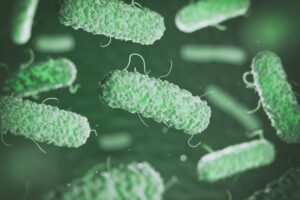
Ebselen may protect from C. difficile-associated tissue damage and bolster recovery of the microbiota after antibiotic treatment.

A new study shows that interactions with the resident gut microbiota could suppress the proliferation and antibiotic-resistance evolution of superbugs.
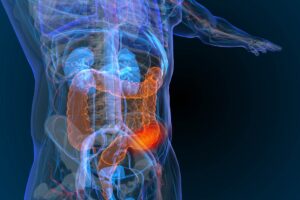
A new study supports the idea that the gut microbiota composition can vary in abundance and function during the development of colorectal cancer.

In a commentary published in Cell, five experts discuss the challenges and opportunities of microbiota-based therapies.
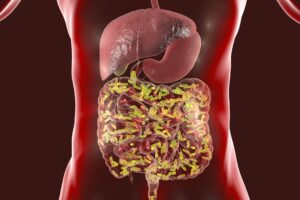
A new study, published in Nature Medicine, suggests that changes to the microbial community in the gut could influence nutrient metabolism.
According to a new study published in the journal Microbiome, cancer treatment outcomes can be modulated by the levels of specific gut bacteria.