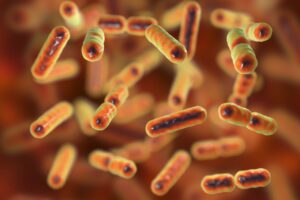
Researches have found that MDD is characterized by disturbances in the gut microbiota and may allow clinicians to better diagnose it.
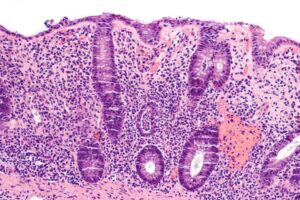
A two-pronged treatment strategy — consisting of an engineered peptide and an FDA-approved drug — could help to reduce gut inflammation.
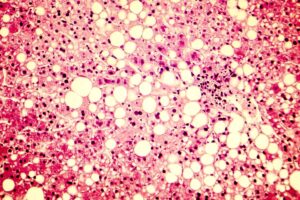
The current knowledge of the gut-liver axis in NAFLD may lead to the development of microbiota-based personalized approaches for managing the condition.

A study published in Nature suggests new approaches to improve BMTs as well as treatments for immune-mediated diseases by regulating the gut microbiota.
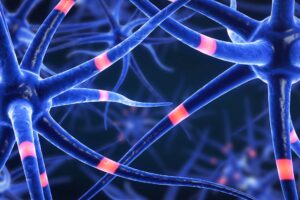
People with active multiple sclerosis have high levels of particular gut antibodies, called immunoglobulin A (IgA), in the central nervous systems.

Some C. acnes strains harbored genes that encoded a molecule similar in structure to a known antibiotic called berninamycin.
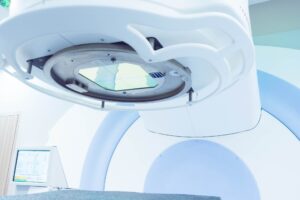
Researches suggest that Lachnospiraceae and Enterococcaceae, as well as bacterial metabolites such as propionate can contribute to radioprotection.

Changes in one of the P. aeruginosa’s environmental sensing systems allow it to adapt to the environment of the lungs, causing chronic infections.

Individuals with autism are unable to break down some environmental toxins, which could allow the toxins to enter the bloodstream and injure brain cells.

The intestinal microbiota of people who follow a diet rich in vegetables produce metabolites that have potentially positive effects on health.