
A new study published in Cell Host & Microbe claims that the infant gut is home to bacteria that harbor hundreds of antibiotic-resistance genes.

A new study published in Cell Host & Microbe could pave the way for using phages as biomarkers for the condition of rheumatoid arthritis.
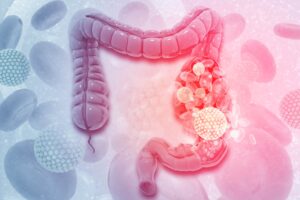
The alterations in gut microbiota composition observed in mice lacking TAK1 can generate a protective immunity against colitis and colorectal cancer.
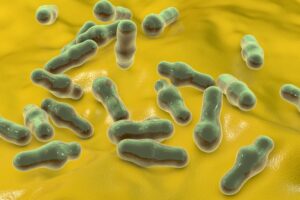
Fatty acid amides produced by Clostridia can help the bacteria to modulate their host by mimicking human signaling molecules.
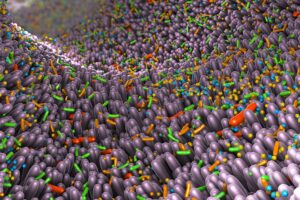
The evolutionary history of the human microbiota could help to understand the role of present-day gut microbes in health and disease.
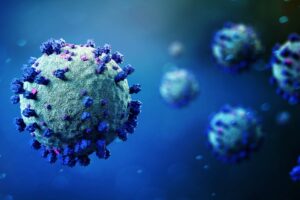
Targeted manipulation to promote the microbial diversity could be an important strategy to treat long COVID-19 and speed up recovery.

Several bacteria associated with human health are acquired late in childhood — albeit with different developmental dynamics.
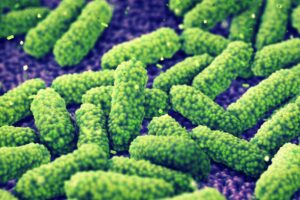
Gut bacteria from people in industrialized countries exchange genes at much higher rates than bacteria from people living in non-industrialized societies.
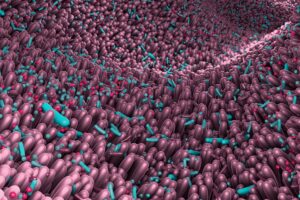
The microbial communities inhabiting the gut have been shown to change in ways that influence the development of disease through blood metabolites.

A molecule in breast milk, called betaine, may lower the risk of obesity by preventing accelerated growth in newborns and supporting bacterial species.