
The microbial communities inhabiting the gut have been shown to change in ways that influence the development of disease through blood metabolites.

A molecule in breast milk, called betaine, may lower the risk of obesity by preventing accelerated growth in newborns and supporting bacterial species.
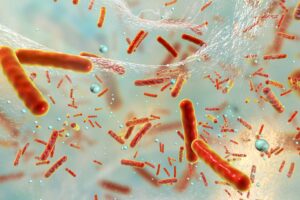
A targeted decontamination could be a strategy to control the spreading of carbapenem-resistance plasmids both amoung patients and within patients.
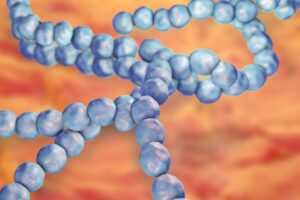
S. mutans produces tryglysin to inhibit the growth of competing species, including other streptococci that could cause opportunistic infection.
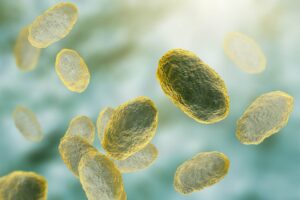
The manipulation of microbiota could improve the outcomes of infections in the respiratory tract cause by opportunistic pathogens.
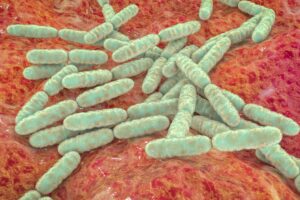
Gut microbes contribute to symptoms associated with neurological conditions. New microbe-inspired therapies could be develop to treat such conditions.

Some gut microbial metabolites boost the efficacy of antitumor drugs by regulating the body’s immune response and could be used as a part of cancer therapy.
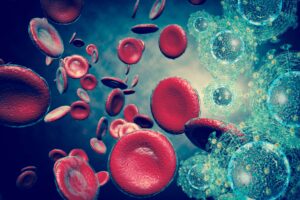
Microbial transplants could be used as a non-invasive and safe strategy to manipulate the gut microbiota, which has been linked to HIV infection.

Common gut fungi called Debaryomyces hansenii can influence the severity of Crohn’s disease and other inflammatory bowel diseases.

Microbial and fungal communities interactions shape the gut microbiota in preterm babies. The findings could help to develop microbiota interventions.