
A new study published in Cell Host & Microbe suggests that the transfer of gut microbes from a mother to her offsprin could reduce the risk of developing type 1…

A new study suggests that gut microbes could affect stroke severity or post-stroke outcome through a metabolite called TMAO.
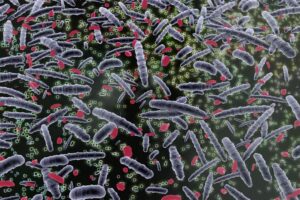
Researchers have developed a new approach to study microbial metabolism that works by detecting microbial metabolites in diverse biological samples and trace them back to the metabolic profiles of bacteria…

New findings suggest that fermented foods can help countering the decreased microbiota diversity and heightened inflammation that characterize industrialized populations.
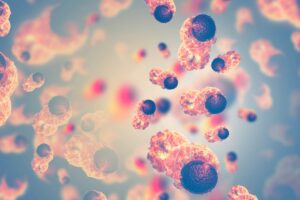
A study published in Nature Medicine claims that the manipulation of the gut microbiota could be a new strategy to treat toxicity to combined immunotherapy.
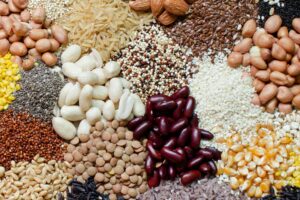
Fecal microbiota transplants combined with daily fiber supplement improves insulin sensitivity in obese individuals with metabolic syndrome.
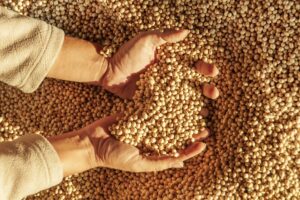
An isoflavone diet enables the proliferation of specific gut bacteria that can improve multiple scleroris disease outcomes.
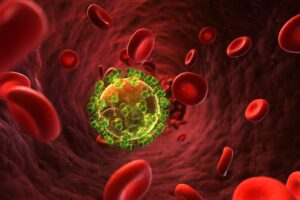
the microbiota plays a key role in the resolution of inflammation and the recovery of immunity after HIV treatment. A new study published in Cell claims.
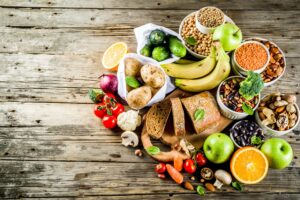
Researchers have developed fiber snacks that appear to change the gut microbiota in ways that could be beneficial to health.
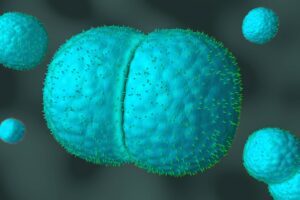
A new study published in Cell Reports claims that neonatal susceptibility to bacterial meningitis depends both on age and the gut microbiota maturity.