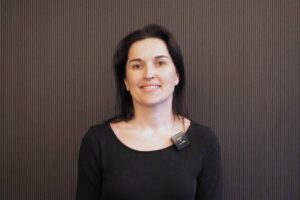
Julie Rodriguez, researcher at Inserm (National Institute of Health and Medical Research, France) explored the main categories of microbiome-based biomarkers and their potential applications in clinical practice.

Marta Ciechonska of Salient Bioscience presented the company’s approach to developing standardized, reproducible microbiome tests based on shotgun metagenomic sequencing.

Gut microbiota, immunity and diet: twenty years of research and the future of personalized nutrition
Francisco Guarner, from Centro Médico Teknon in Barcelona (Spain), discussed the most recent researches in the field of microbiome and nutrition.

To better define the role of biotics in infant formula, future studies should be specifically designed to assess infection prevention, with adequate sample sizes, harmonised formulations and long-term follow-up.

Industry
Sponsored by

New study adds further strength to the evidence behind Bimuno GOS’ ‘performance powered by gut health’ approach.

Industry
Sponsored by

"Wake Up Your Core" concept presented at Vitafoods Europe 2026 recognizes the gut microbiota as the foundation of overall health and a key driver of systemic homeostasis.

Francesco Asnicar, CIBIO - University of Trento (Italy), discusses new large-scale research on the human microbiome, based on the analysis of more than 35,000 individuals from the UK and the…

Industry, Dermatology
Sponsored by
SynbÆctive® ProBeautyShield shortlisted in the “Ingredient of the Year: Beauty from Within” category, reinforcing its scientific international recognition.

Industry
Sponsored by
Carlo Sala and Chiara Sironi explain how Sacco System is driving innovation in the probiotic market through research, strain development, and tailored formulations.

Industry, Geriatrics
Sponsored by

A deep dive into how microbiome health influences aging, and why restoring gut balance is emerging as a powerful strategy to support resilience, reduce inflammation, and extend health span.