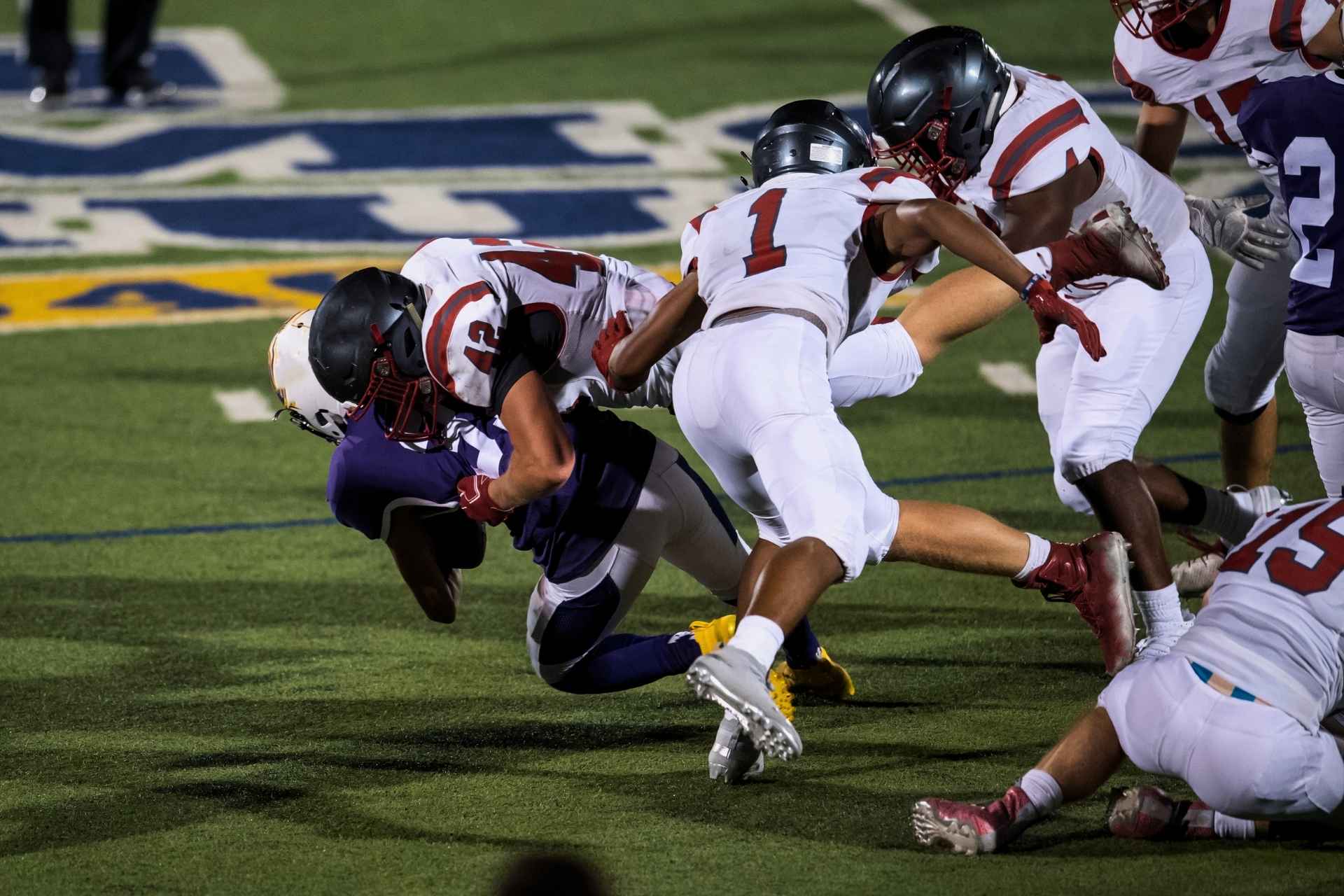
The gut-brain axis lets the digestive system and nervous system influence each other, so changes in the brain can alter the gut microbiota, and gut changes can affect inflammation, immunity, and brain function. Now, researchers have found that repeated non-concussive head impacts in football may be linked to shifts in the gut microbiota.
The findings, published in PLOS One, suggest that repeated head impacts, even if minor, can have biological effects.
Previous studies have linked concussions and traumatic brain injuries to gut microbiota changes, but it’s not known whether smaller head impacts could do the same. So, Zachary Pelland at Colgate University in Hamilton, New York, and his colleagues tracked six college football players across a season.
Head impacts
The researchers combined helmet-sensor data on non-concussive head impacts with 226 stool samples, physical-activity monitoring, and surveys on sleep, stress, and other factors.
On average, each player had 261 head impacts over the season. The gut microbiota differed from player to player: some athletes had stable bacterial communities over time, whereas others showed more day-to-day variation.
After exposure to head impacts, players’ gut microbiotas became more different from baseline 48 to 72 hours later and remained more different at 72 to 96 hours. However, other factors, especially time, physical activity, and pre-workout energy drinks, were also associated with microbiota differences, the researchers found.
Higher impact load was associated with decreases in Prevotellaceae and Prevotella. Other microbes, including Coriobacteriales, Ruminococcus, and Verrucomicrobiales, also showed weaker links with impact exposure.
Microbiota shifts
Across the season, players’ gut microbiotas became more different from their baseline. This suggests that the season itself—likely because of the effects of repeated head impacts, physical strain, diet, and stress—may shift the gut microbiota over time, the authors say.
The analysis included only six male players from one team, had no control group, and relied partly on self-reported lifestyle data. So, larger studies with control groups are needed to show whether these microbiota shifts affect athletes’ health, the authors say.
Still, they add, the results provide evidence that non-concussive head impacts are associated with changes in the gut microbiota. “The outcomes of this study emphasize the importance of careful monitoring of head impacts, including those that do not generate clinical symptoms.”
 Latest related content