Scientists know that the microbiota changes as societies industrialize, but it has been hard to pin down when that process begins. A new study now suggest that the microbiota of remote communities starts changing quickly after access to outside medical care, even before their lifestyle changes.
The findings, published in Cell Reports, may inform programs to preserve microbial diversity while delivering essential care.
Research has shown that industrialized lifestyles are linked to less diverse, more Westernized gut microbiotas, with a loss of fiber-digesting microbes. However, it’s unclear how microbiota changes begin after repeated medical contact alone, before major changes in diet, sanitation, or lifestyle.
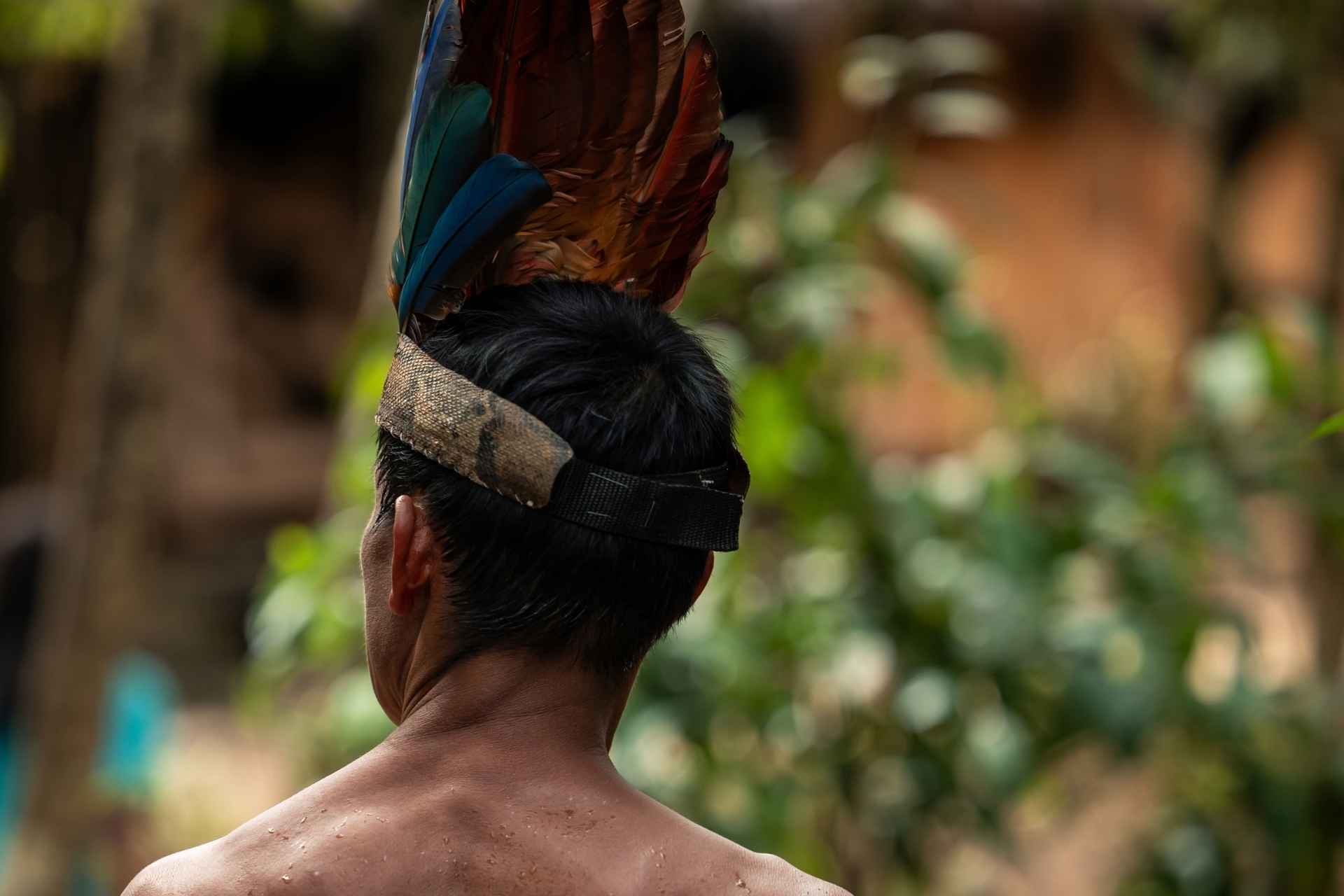
Researchers led by Haipeng Sun at Rutgers University in New Brunswick, New Jersey, set out to study the microbiotas of 335 people from remote Amazonian Indigenous villages as some communities began receiving medical visits for river blindness—a parasitic disease that can cause eye disease.
Medical exposure
The researchers collected stool, mouth, nose, and skin samples from children and adults, then used DNA sequencing to identify microbes and microbial genes. The gut microbiotas of people in villages that had had little regular contact with outsiders initially differed from those in more exposed villages. However, repeated medical exposure was linked to rapid microbiota changes, especially in children.
With increasing exposure to outside medical care, bacteria that are often seen in people living in industrialized areas, including Bacteroides, Alistipes, and Akkermansia muciniphila, increased. Instead, several fiber-digesting gut bacteria such as Prevotella and Treponema, which are common in non-industrialized microbiotas, became less abundant.
With increasing exposure to outsiders, microbial genes shifted toward patterns seen in urban populations, including processing simpler carbohydrates. However, the microbiotas from the Amazonian Indigenous villages did not become fully Westernized and still looked distinct from microbiotas from industrialized populations in the US.
Microbial shifts
The researchers also found that intestinal parasites were common in all the villages. People in the least exposed villages often carried a mix of Blastocystis—a common gut-dwelling parasite—whereas people in more exposed villages tended to carry fewer parasite types.
The mouth, nose, and skin microbiotas also shifted with exposure, but each body site changed differently: for example, microbial diversity in the nose increased, whereas skin diversity tended to decline.
The findings suggest that modern medical care can reduce the burden of disease, but it may also cause a loss of microbial diversity shaped by traditional ways of life, the authors say. “Understanding and navigating this balance is essential not only for microbiome science but also for ethical, culturally informed approaches that respect both biological and social dimensions of well-being.”
 Latest related content