The gut-brain axis links the gut and brain, helping to regulate health and inflammation. Now, researchers found that under certain conditions, small numbers of gut bacteria can travel to the brain, likely via the vagus nerve, and this process is influenced by diet.
The findings, published in PLOS Biology, suggest that maintaining a healthy gut barrier and microbiota—through diet or other interventions—could help prevent bacteria from reaching the brain, helping maintain neurological health.
Gut microbes can influence the brain through the immune system, hormones, and nerve signals, and factors such as diet may make the gut lining more “leaky.” Although changes in gut bacteria have been observed in brain conditions, including Alzheimer’s disease and autism, the exact role of gut bacteria in these conditions remains unclear.
Researchers led by Manoj Thapa at Emory University in Atlanta, Georgia, used a mouse model of liver disease to explore how diet and gut bacteria might be linked to the brain.
Leaky gut
Feeding mice a high-fat diet changed the types of bacteria in their gut and made the intestinal lining “leaky”. Small numbers of gut bacteria, including Staphylococcus and Enterococcus species, were detected in the brain, even though they were not found in the blood or most other organs.
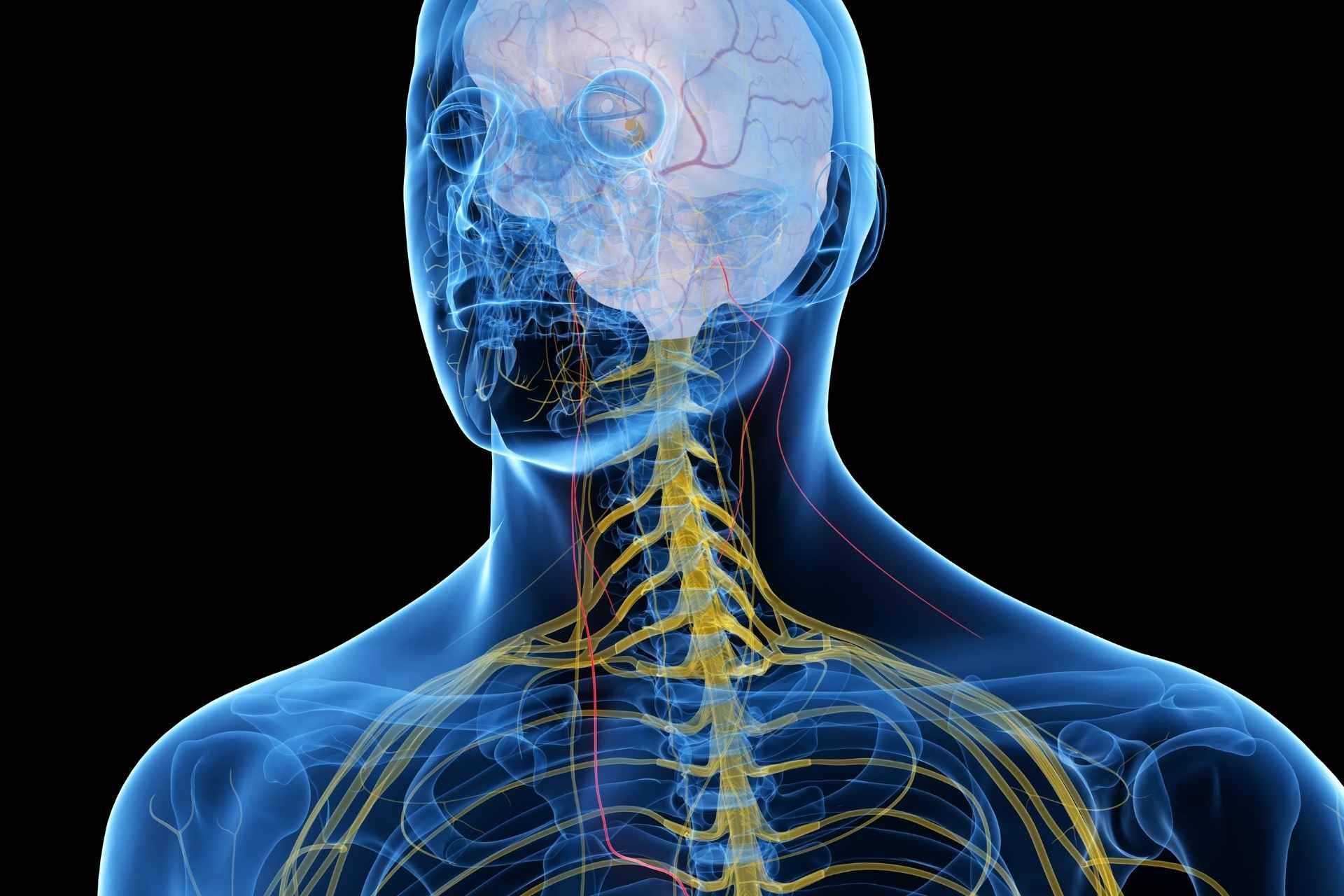
These bacteria likely traveled from the gut to the brain along the vagus nerve, a key communication pathway between the two. When this nerve was partially cut, far fewer bacteria reached the brain, the researchers found.
Changing the gut microbiota—through antibiotics, diet, or by introducing specific bacteria—also changed which microbes ended up in the brain. When mice on a high-fat diet were given antibiotics, different bacteria dominated the gut and those same types were then found in the brain.
Reversible effects
Further experiments showed that the movement of gut bacteria to the brain can be reversed. When mice that had been on a high-fat diet were fed a normal diet, their gut lining became less leaky, their gut bacteria returned to a healthier balance, and the bacteria previously detected in their brains largely disappeared.
The team also studied mouse models of conditions such as Alzheimer’s, Parkinson’s, and autism, and found that these mice naturally had altered gut bacteria and leakier guts, along with small amounts of gut-derived bacteria in their brains.
“These data reveal a bacterial translocation axis from the gut to the brain, impacted by environmental (diet) and genetic factors, and warrant further investigation to determine if this phenomenon also occurs in humans and to elucidate whether it may play a role in diverse neurological conditions,” the authors say.
 Latest related content