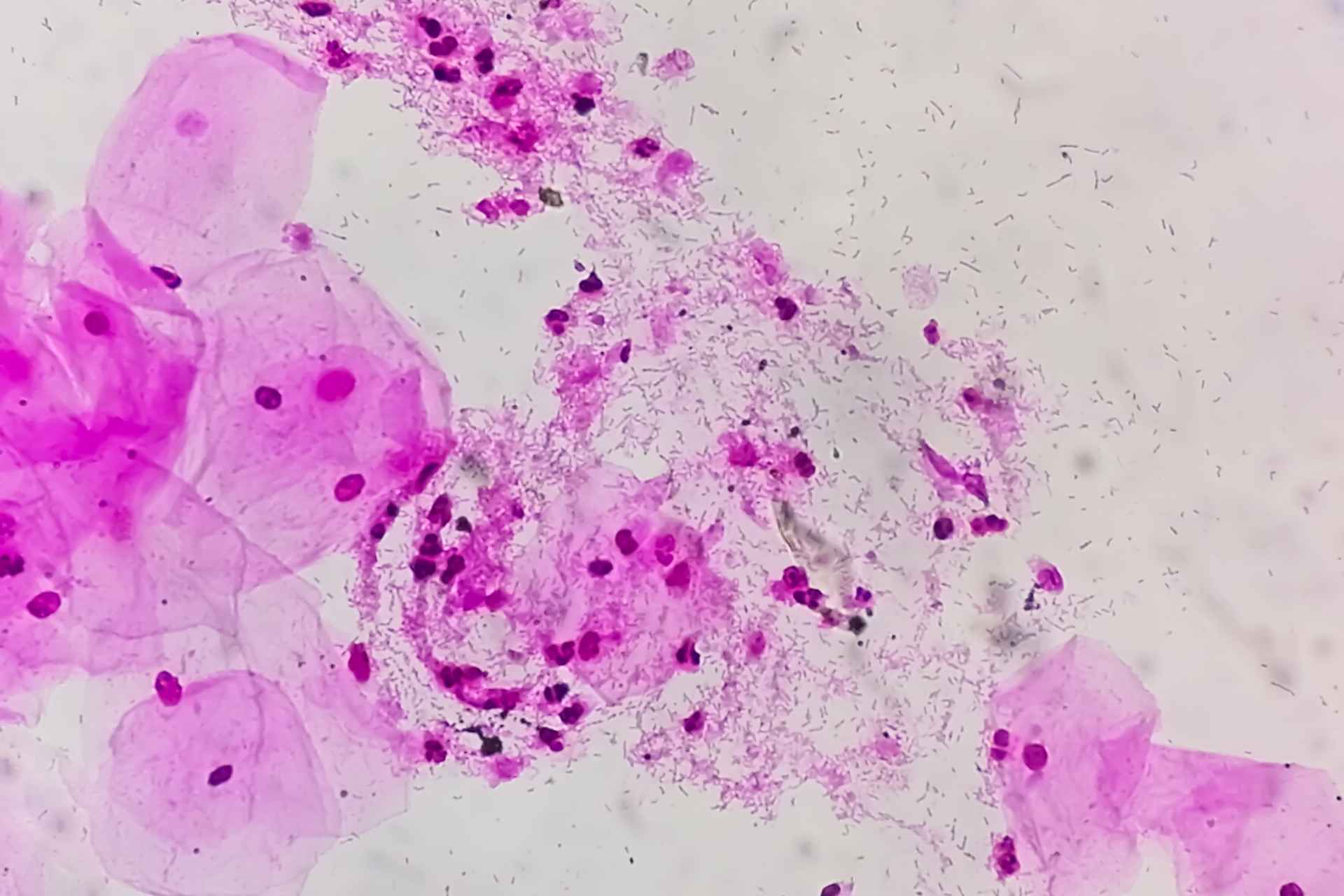
Bacterial vaginosis is a common condition where protective vaginal bacteria such as Lactobacilli are reduced, causing symptoms including discharge and odor, and increasing the risk of infections and pregnancy complications. Now, data from a small clinical trial of a vaginal probiotic suggest that it helps restore protective bacteria and reduce the recurrence of bacterial vaginosis, though its effectiveness depends on a person’s own microbiota.
The findings, published in Cell Host & Microbe, suggest that using probiotics after antibiotic treatment could help prevent bacterial vaginosis, opening the way for tailored treatments based on individual microbiota profiles.
Bacterial vaginosis can be treated with antibiotics, and probiotic-based therapies such as LACTIN-V, which contains the beneficial bacterium Lactobacillus crispatus, had shown promise in reducing its recurrence. However, the condition often returns because less protective bacteria may take over instead of healthier ones.
To assess the effectiveness of LACTIN-V in preventing recurrent bacterial vaginosis, Seth Bloom at Ragon Institute in Cambridge, Massachusetts, and his colleagues conducted a randomized trial that included 213 women aged 18 to 45 with bacterial vaginosis.
Beneficial microbes
The participants first completed a 5-day course of intravaginal antibiotic and then received either LACTIN-V or a placebo. The researchers collected vaginal samples before antibiotics, after antibiotics but before the probiotic, and at several points over 24 weeks to track changes in the vaginal microbiota.
Before antibiotics, almost all participants had low levels of protective Lactobacillus bacteria and high levels of unhealthy bacteria such as Gardnerella, Prevotella, and other bacteria that have been linked to bacterial vaginosis.
After antibiotics, most participants temporarily shifted to bacterial communities dominated by Lactobacillus iners, not the more protective L. crispatus. However, women who received the LACTIN-V probiotic were much more likely to develop L. crispatus dominance at 12 and 24 weeks compared with those who received a placebo.
Individual response
LACTIN-V promoted L. crispatus dominance in about one-third of recipients, the researchers found. In those whose microbiota was dominated by L. crispatus by week four after the treatment start, L. crispatus remained through weeks 12 and 24. Women with high L. crispatus levels did not have recurrent bacterial vaginosis.
A vaginal microbiota dominated by Lactobacillus before LACTIN-V was linked to lower vaginal inflammation, while a microbiota dominated by harmful bacteria was associated with higher inflammation, the team also found. However, the benefits of LACTIN-V varied depending on each woman’s starting microbiota, with some responding better to treatment than others.
Although the study was small, the authors say, “these findings elucidate [live biotherapeutic product] microbiota effects and identify predictors of treatment success, informing improved intervention strategies to advance women’s health.”
 Latest related content