Diet affects metabolism, immunity, and disease risk, largely through gut microbes. Now, researchers have found that gut microbes sense low-protein diets and help convert white fat into energy-burning beige fat, improving metabolism.
The findings, published in Nature, suggest that targeting specific gut microbes or their metabolites could boost fat-burning and metabolism in response to specific diets.
While white fat mainly stores energy, it can sometimes transform into “beige” fat, which behaves like brown fat, burning energy and generating heat. This transformation can be triggered by factors such as cold, hormones, or specific diets. The gut microbiota seems to play a role in this process by producing compounds that affect immune responses, but exactly which microbes do what remains unclear.
Working in mice, Takeshi Tanoue at Keio University School of Medicine in Tokyo, Japan, and his colleagues tested how changing the amounts of protein, fat, and carbohydrates in the diet affects fat browning—the transformation of white fat into beige fat.
Triggering browning
Diets very low in protein—about 7% of calories—triggered white fat to take on brown-fat-like properties, increasing genes that promote heat production and fat burning. This effect appeared within a week and peaked by 6 to 8 weeks, reducing overall fat and body weight and improving glucose metabolism, without harming muscle or overall health. The effect was strongest in certain fat areas and could reverse when normal protein intake was restored.
Mice without gut microbes showed much weaker browning and less fat loss compared with normal mice, indicating the effect relies on microbial activity. Further analyses revealed that low-protein diets increase certain bile acids in the blood, which activate a receptor on fat cells, promoting the transformation of white fat into beige fat.
In mice with normal gut microbiotas, low-protein diets also activated liver genes that control amino acid metabolism and produce the hormone FGF21, which is critical for fat browning and weight regulation.
Key bacteria
Transplanting gut microbes from mice fed low-protein diets into germ-free mice resulted in fat browning in the recipients, but only if they were on a low-protein diet.
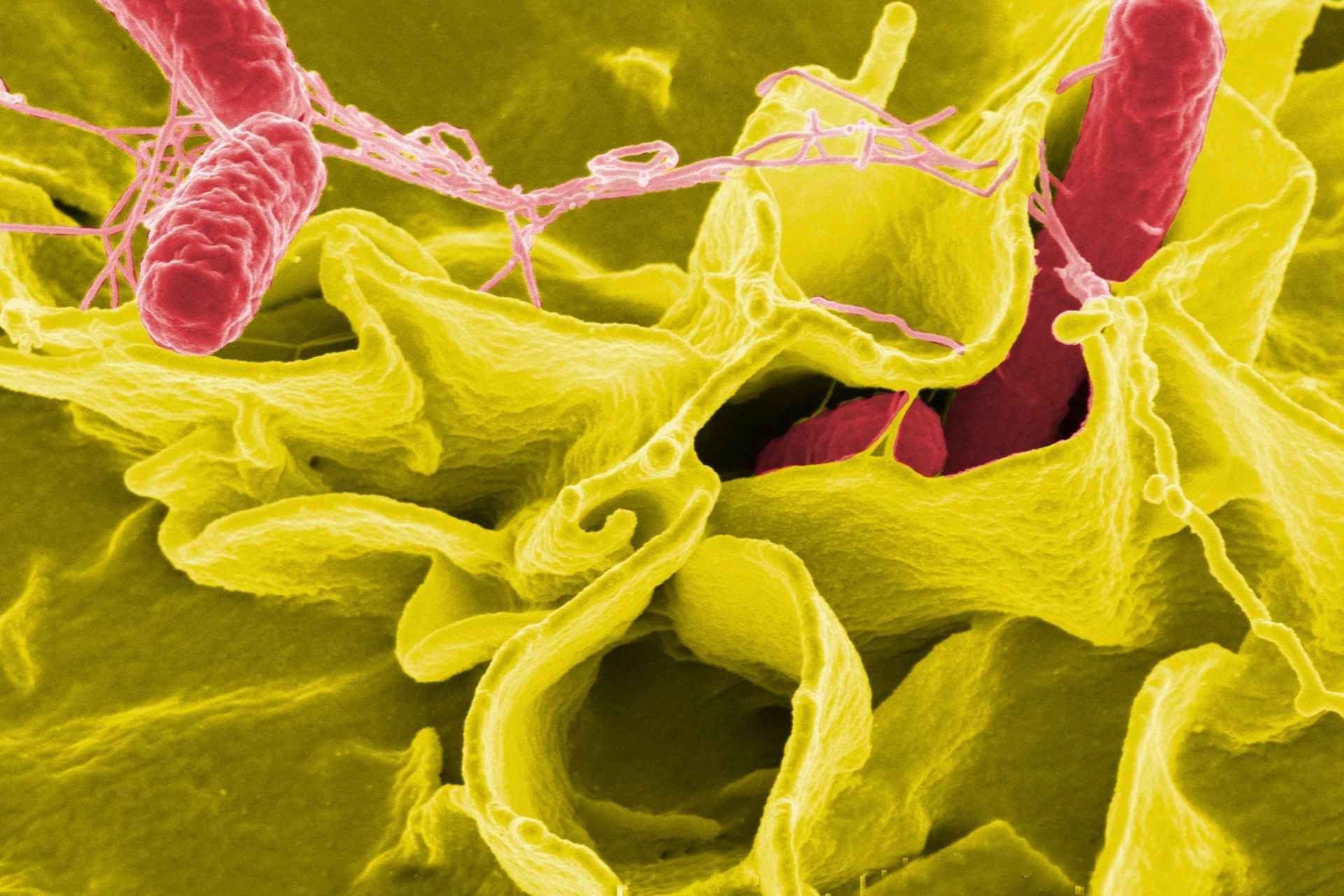
The researchers also identified a small group of bacteria, including Romboutsia timonensis and Bilophila species, that are essential for this effect. These microbes increased bile acids and the liver hormone FGF21, which together activate fat-cell receptors and nerves to promote beige fat formation.
“These findings highlight a mechanistic link between diet, gut microbial metabolism and adipose tissue remodelling, uncovering microbiota-dependent pathways by which the host responds to dietary cues,” the authors say. However, they add, it remains unclear how exactly how gut microbes detect low-protein diets or how much beige fat drives the improvements in metabolism.
 Latest related content