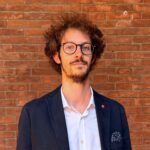
In this interview Emma Allen-Vercoe, from University of Guelph (Canada) focuses on the gut microbiome of the Yanomami, an indigenous population living in the Amazon region of southern Venezuela and northern Brazil, whose exceptionally strong cardiometabolic health has attracted growing scientific interest.
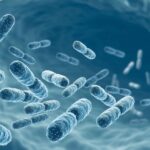
Emma Allen-Vercoe describes an expedition that enabled the collection and preservation of viable stool samples from the Amazon, making it possible to culture a large and diverse collection of gut microbes in the laboratory. These isolates are now being characterized to better understand their biological properties and their potential relevance for human health, including their possible development as next-generation probiotics.
The interview also highlights the scientific rationale for studying microbiomes from non-industrialized populations and discusses the technical and methodological challenges involved in recovering microbes that are difficult to culture using standard approaches. Finally, it introduces a new culturing service developed to support academic and commercial partners in isolating previously uncultured microorganisms, with the broader goal of expanding access to the hidden diversity of the human gut microbiome.
 Latest related content